Integrated First Aid, Basic life support (BLS), Airway Management, & Oxygen Therapy Training
Integrated First Aid, Basic life support (BLS), Airway Management, & Oxygen Therapy Training in Portmore, Jamaica.
5.0 stars on Google
From 1 Google review.
We come to you
Covering areas in Jamaica and the Caribbean.
Training at your workplace
We come to workplaces, schools and community centres across Jamaica.
About Integrated First Aid, BLS, Airway Management and Oxygen Therapy Training
The Integrated First Aid, Basic Life Support (BLS), Airway Management, & Oxygen Therapy Training programme provides participants with the knowledge, practical skills and competencies required to respond effectively to medical emergencies, manage casualties and coordinate basic life support activities until professional medical assistance arrives. Training covers emergency recognition, hazard identification and risk management, casualty assessment, cardiopulmonary resuscitation (CPR), appropriate first aid interventions, casualty monitoring, emergency communication, evacuation coordination and incident evaluation.
Standards Alignment: The Jamaica Rescue Academy curriculum adheres to the most recent evidence-based guidelines and professional standards, including: • 2025 American Heart Association (AHA) Guidelines • International Liaison Committee on Resuscitation (ILCOR) • Centers for Disease Control and Prevention (CDC) • OSHA These standards ensure that participants receive training aligned with international emergency medical and fire safety best practices
Course Learning Objectives : Participants develop competencies in the following areas: 1. Emergency Response and Scene Management • Recognizing emergencies and assessing emergency situations. • Identifying, assessing and managing immediate hazards. • Protecting the health and safety of casualties, rescuers and others. • Assessing casualties and determining the need for first aid. • Activating emergency response services and requesting assistance. 2. Advanced First Aid Interventions • Performing CPR in accordance with applicable first aid guidelines. • Applying established first aid principles and procedures. • Providing appropriate and respectful casualty care. • Obtaining casualty consent where possible. • Using available resources and equipment to promote casualty comfort and safety. 3. Coordination of First Aid Activities • Identifying and coordinating available emergency resources. • Establishing communication with emergency personnel and medical services. • Deploying appropriate resources to ensure timely assistance. • Documenting resource allocation and recommending modifications. • Monitoring casualty conditions. • Coordinating casualty evacuation. • Arranging appropriate support services for personnel involved in emergencies. 4. Basic Life Support (BLS) and Resuscitation • Recognize cardiac arrest and identify the need for immediate resuscitation. • Perform cardiopulmonary resuscitation (CPR) in accordance with applicable Basic Life Support guidelines. • Demonstrate appropriate CPR techniques for adult, child and infant casualties, as covered by the programme. • Demonstrate effective chest compression techniques and appropriate ventilation procedures. • Recognize and respond to choking and foreign-body airway obstruction. • Demonstrate the appropriate use of an Automated External Defibrillator (AED). • Integrate CPR and AED use into a coordinated resuscitation response. • Demonstrate effective teamwork and communication during resuscitation. • Recognize the importance of minimizing interruptions to CPR and maintaining effective resuscitation efforts. 5. Basic Airway Management • Recognize signs of airway compromise and respiratory distress. • Assess airway patency and identify potential airway obstructions. • Demonstrate appropriate techniques for opening and maintaining a basic airway. • Apply appropriate patient positioning to support airway patency. • Demonstrate the use of applicable basic airway adjuncts within the programme's scope. • Demonstrate an understanding of airway suctioning principles and associated precautions. • Demonstrate appropriate basic ventilation techniques using applicable equipment. • Monitor airway patency, breathing effectiveness and patient response to interventions. 6. Oxygen Therapy • Explain the principles and purpose of supplemental oxygen therapy. • Recognize situations in which supplemental oxygen may be indicated. • Identify commonly used oxygen delivery equipment. • Demonstrate appropriate preparation and handling of oxygen equipment. • Explain and demonstrate the principles of oxygen administration using applicable delivery devices. • Identify oxygen therapy safety precautions and potential hazards. • Monitor the patient's response to oxygen therapy and recognise the need for reassessment. • Demonstrate appropriate equipment safety, storage and handling procedures.
7. Emergency Communication and Documentation • Communicating accurate incident information to emergency response services. • Reporting incidents in accordance with organisational policies. • Maintaining confidentiality of incident records and information. 8. Incident Evaluation and Post-Incident Management • Recognizing the potential psychological effects of critical incidents on rescuers. • Participating in incident debriefings. • Evaluating emergency response and first aid management. • Developing improvement action plans. • Reviewing contingency plans and identifying alternative emergency management procedures. Training Approach The programme incorporates theoretical instruction, practical demonstrations, scenario-based exercises and competency assessments to develop participants' ability to apply first aid knowledge and skills in workplace and community emergency situations.
High-quality CPR
We focus on the right compression depth and rate for adults, children, and infants. You practise until the rhythm feels natural, because that is what saves lives.
Teamwork in action
Resuscitation is rarely a one-person job. We run scenarios where you coordinate with other responders, switch roles, and communicate clearly under pressure.
How we work
- Hands-on practice on every skill
- Current protocols taught without shortcuts
- We bring all equipment and materials
- Questions answered after training ends
- Training matched to your real environment
Request a training
Explore Our Hands-On Training Programs and Real-World Class Experiences
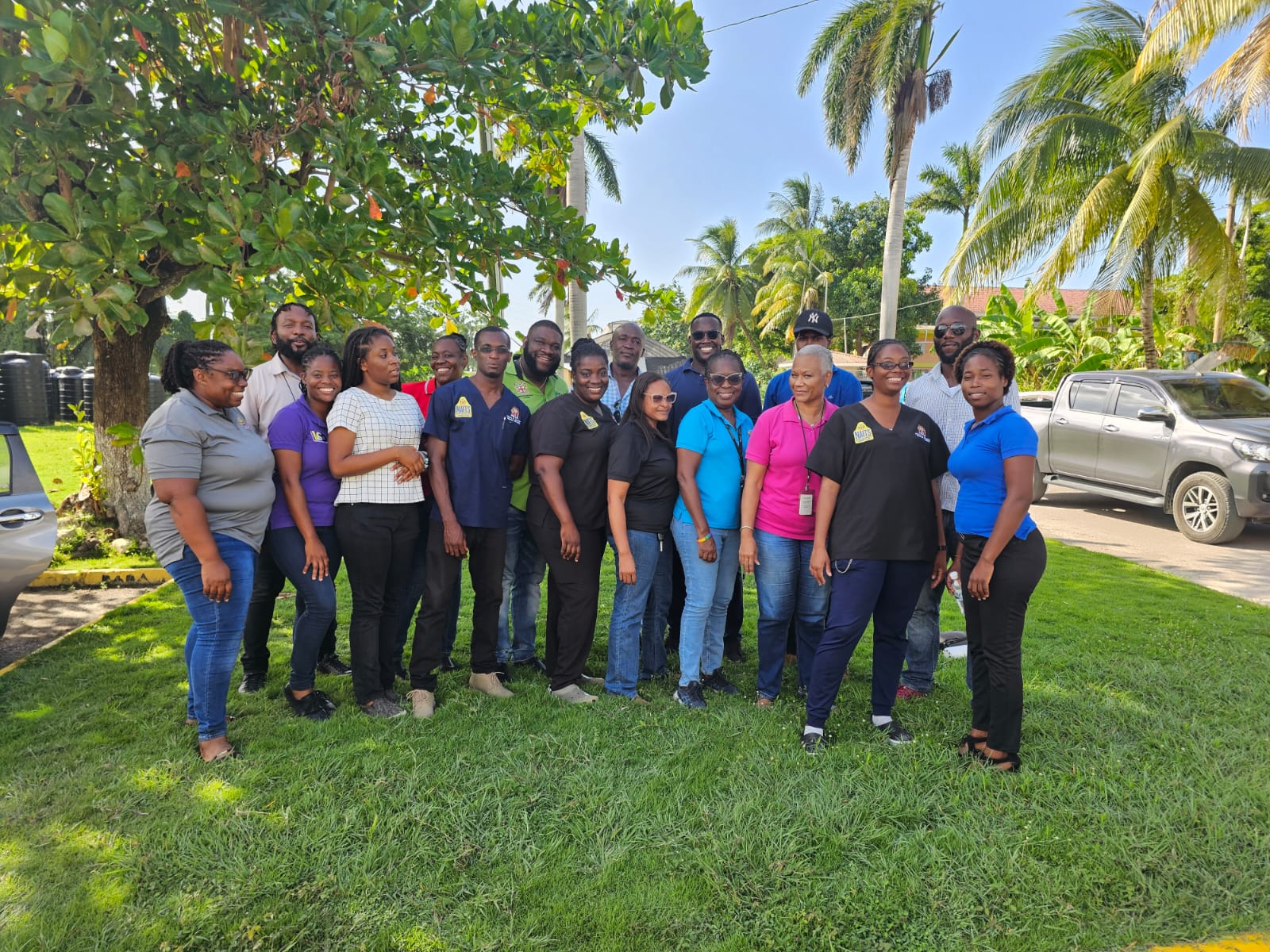
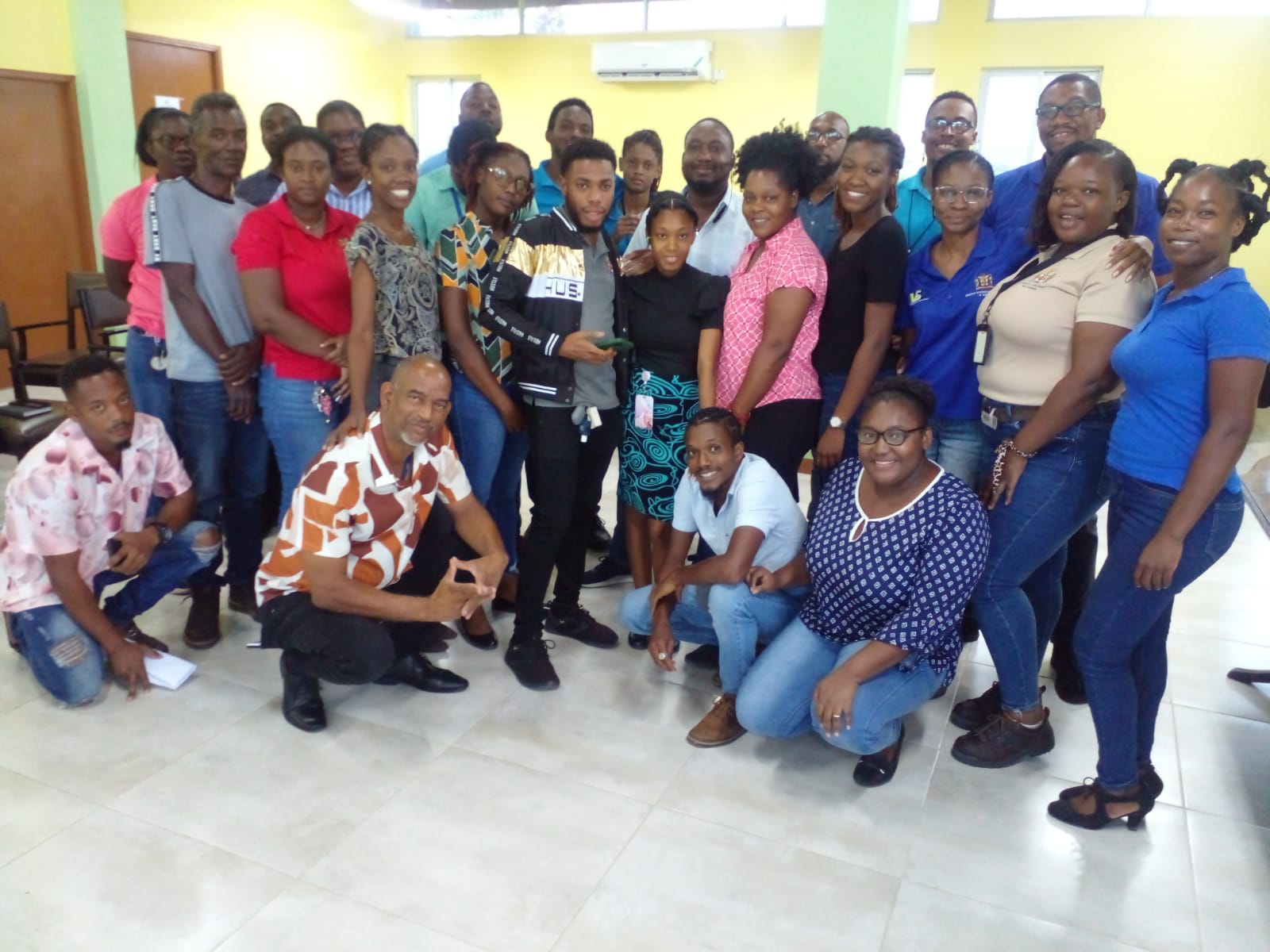
Explore JRA's professional training programmes through real classroom sessions, hands-on practical exercises and emergency simulations. Building skills, confidence and readiness to save lives.
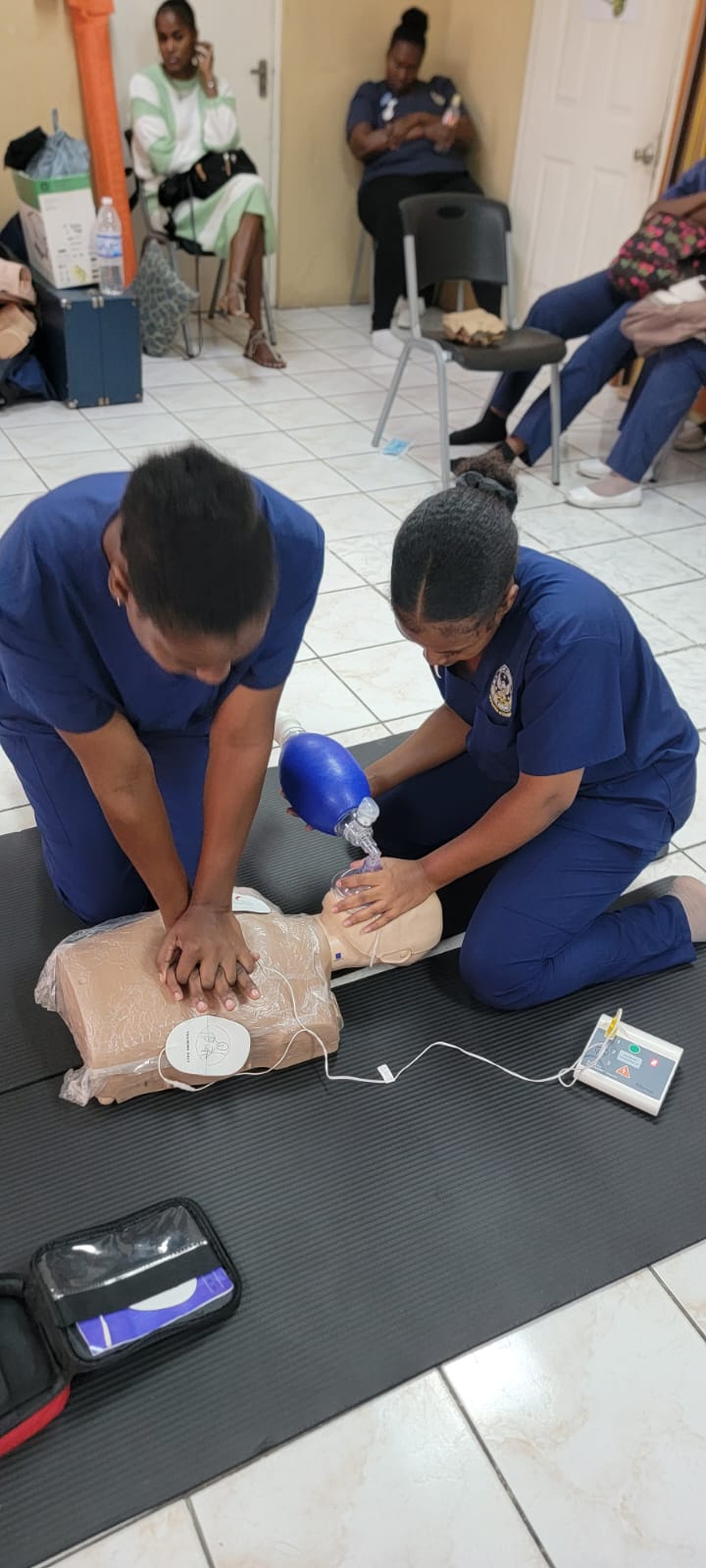
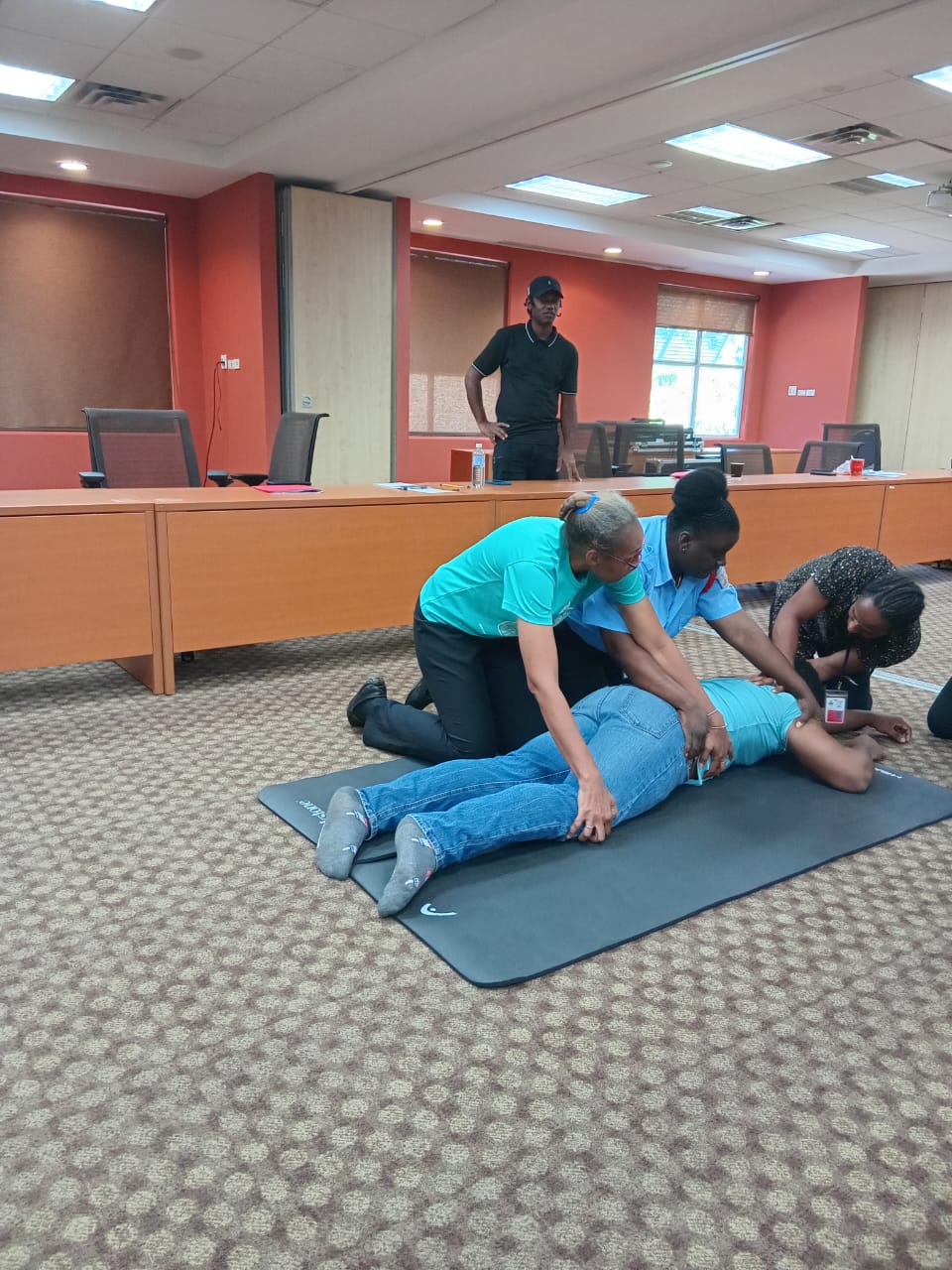
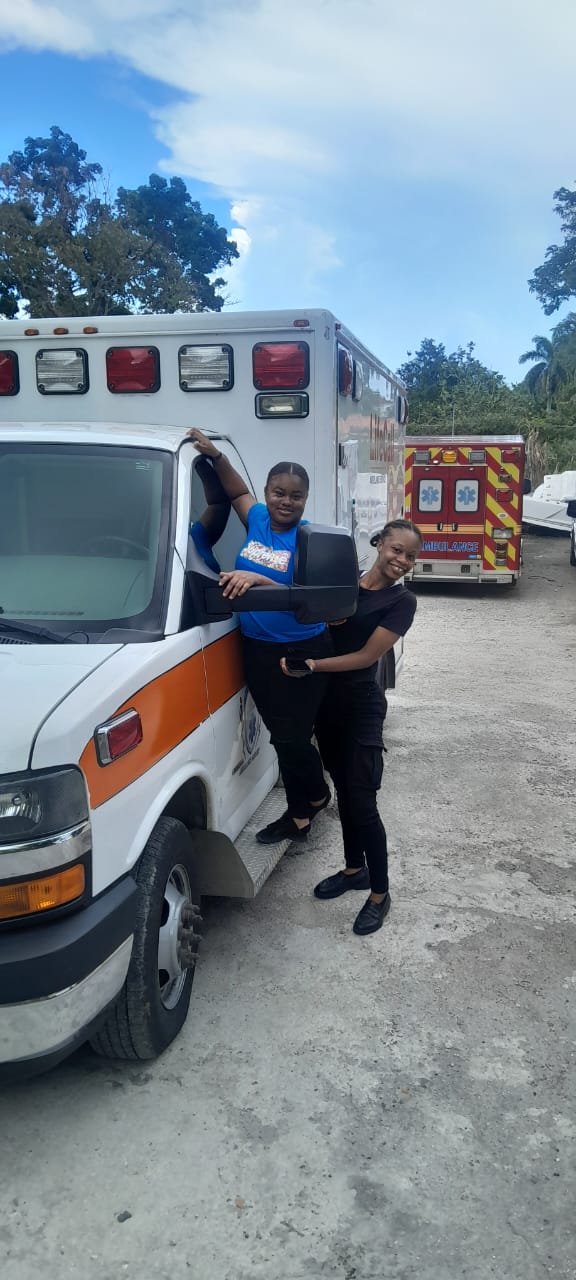
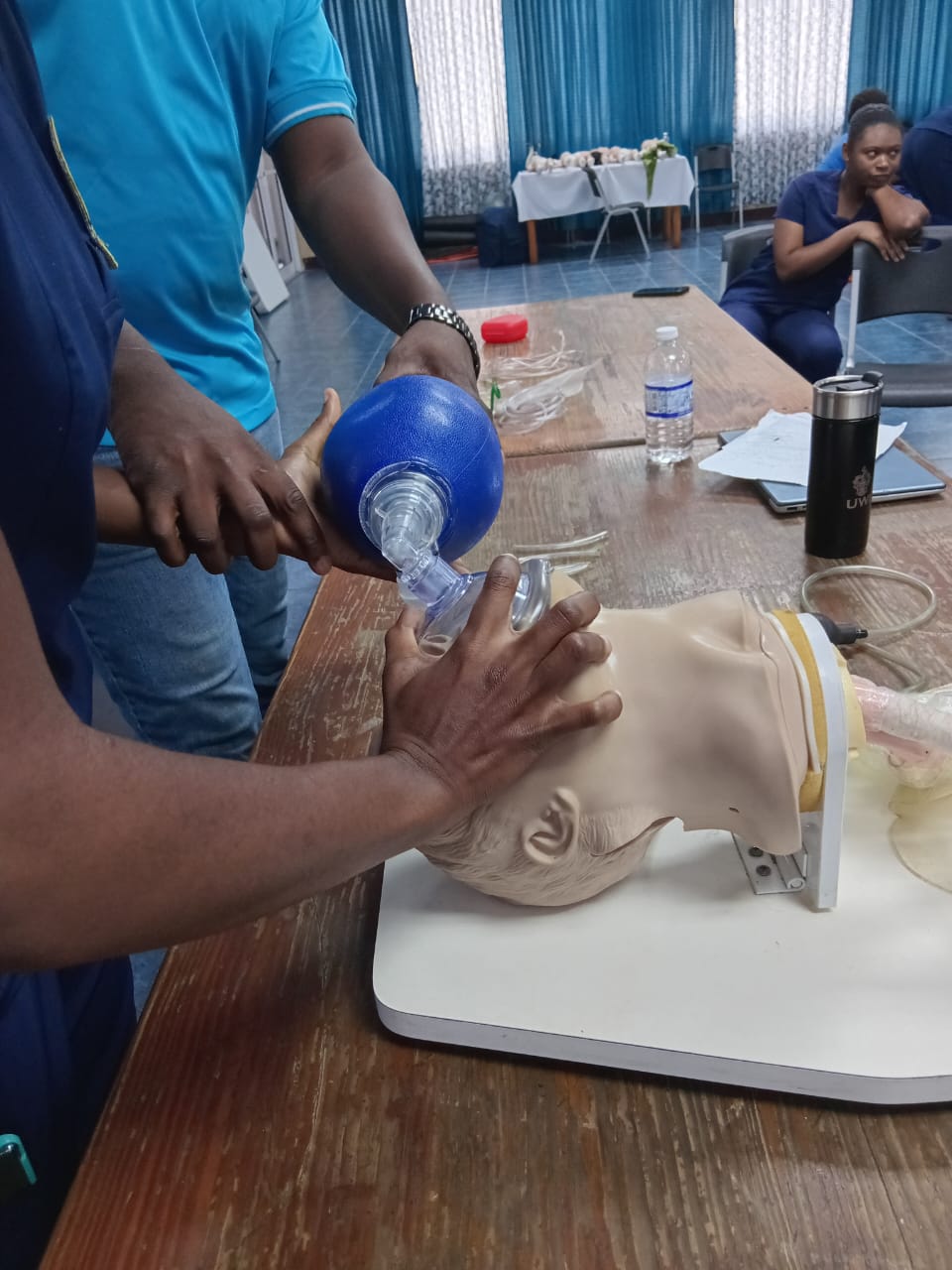
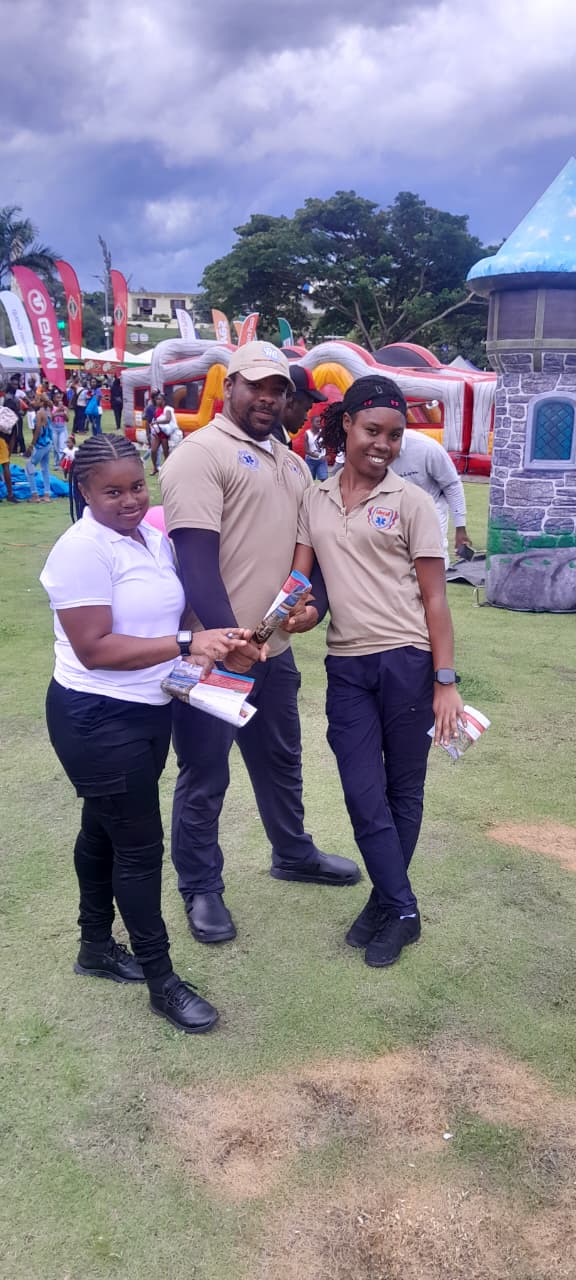
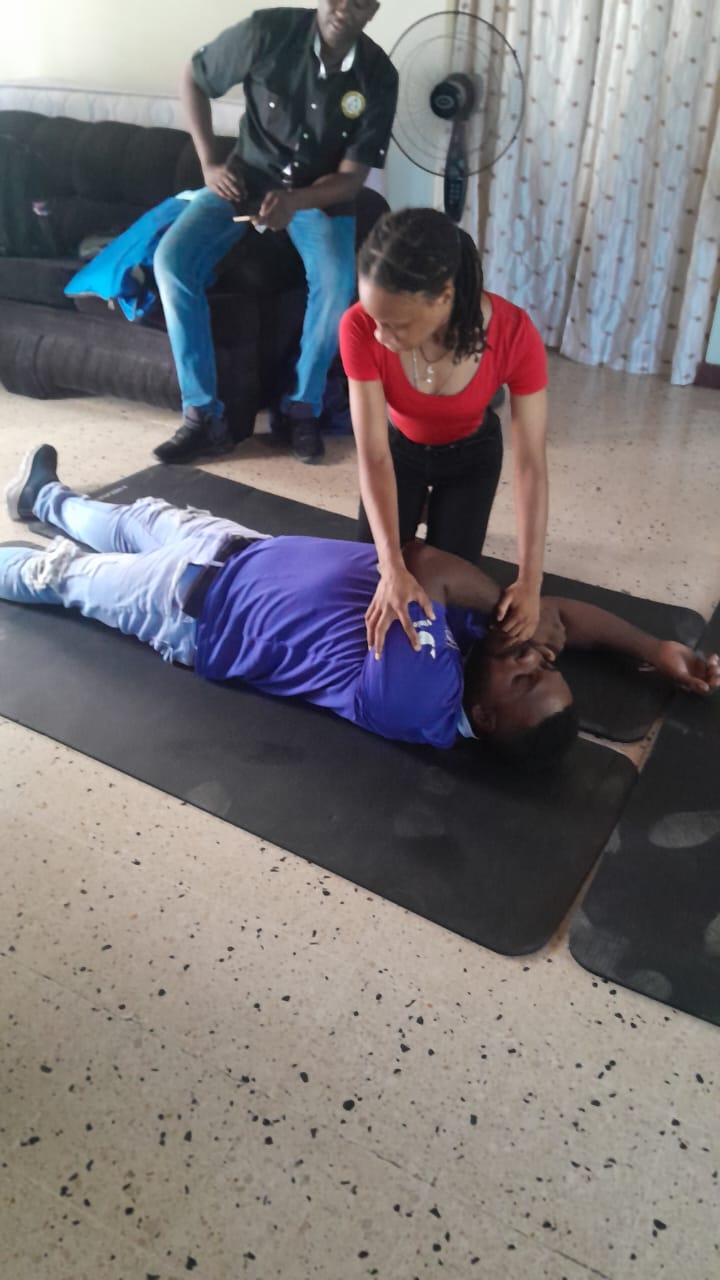
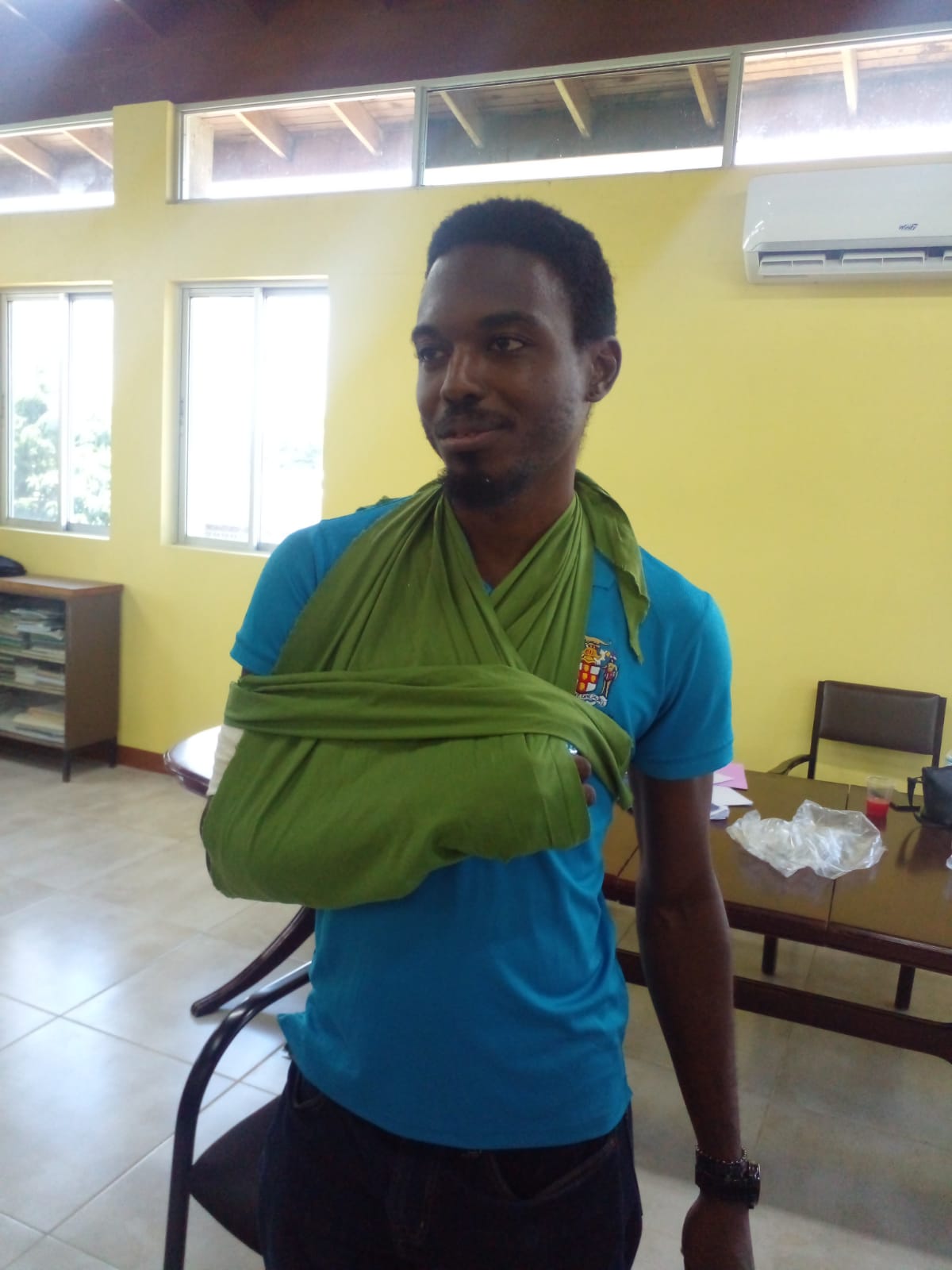
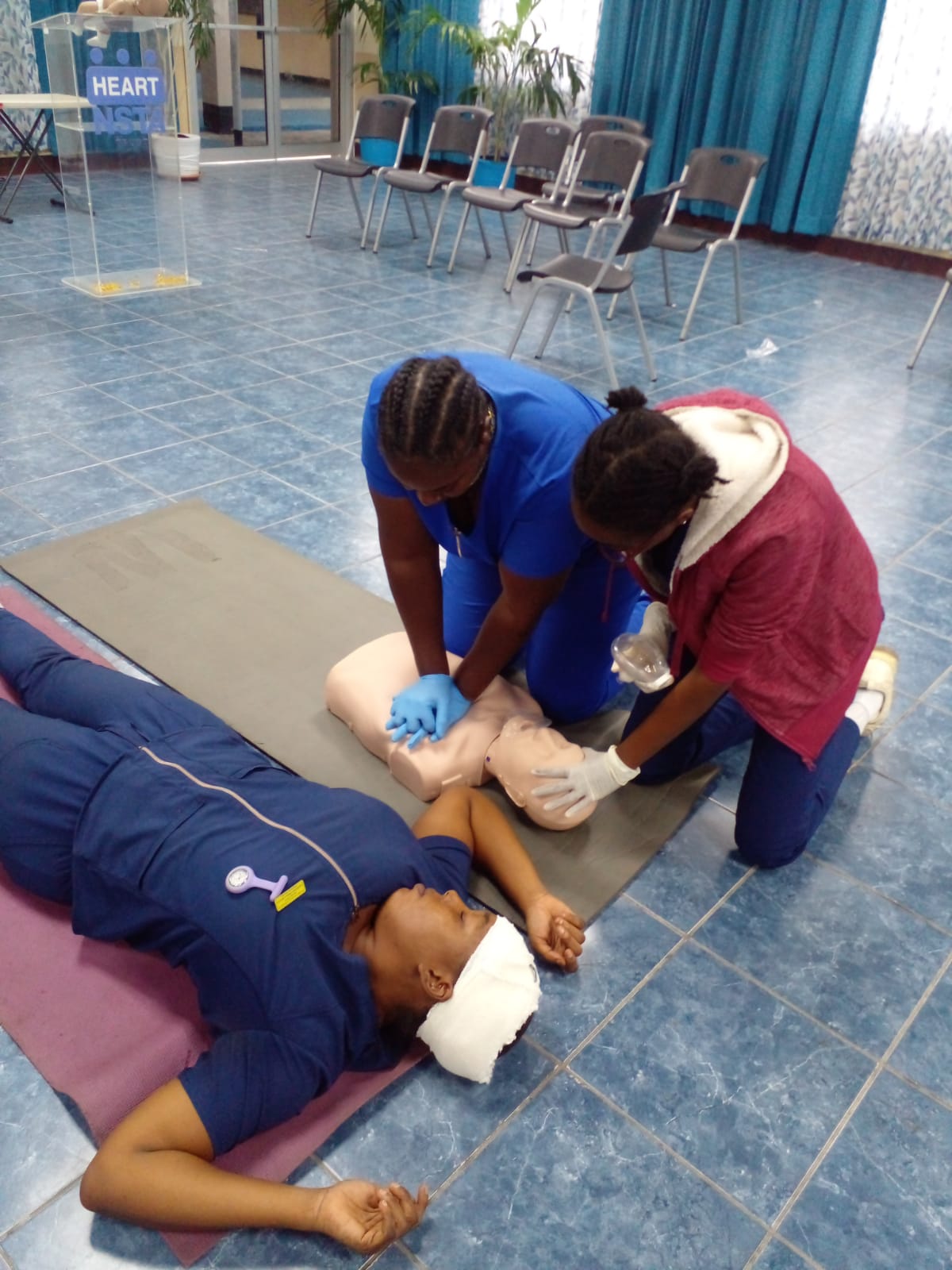
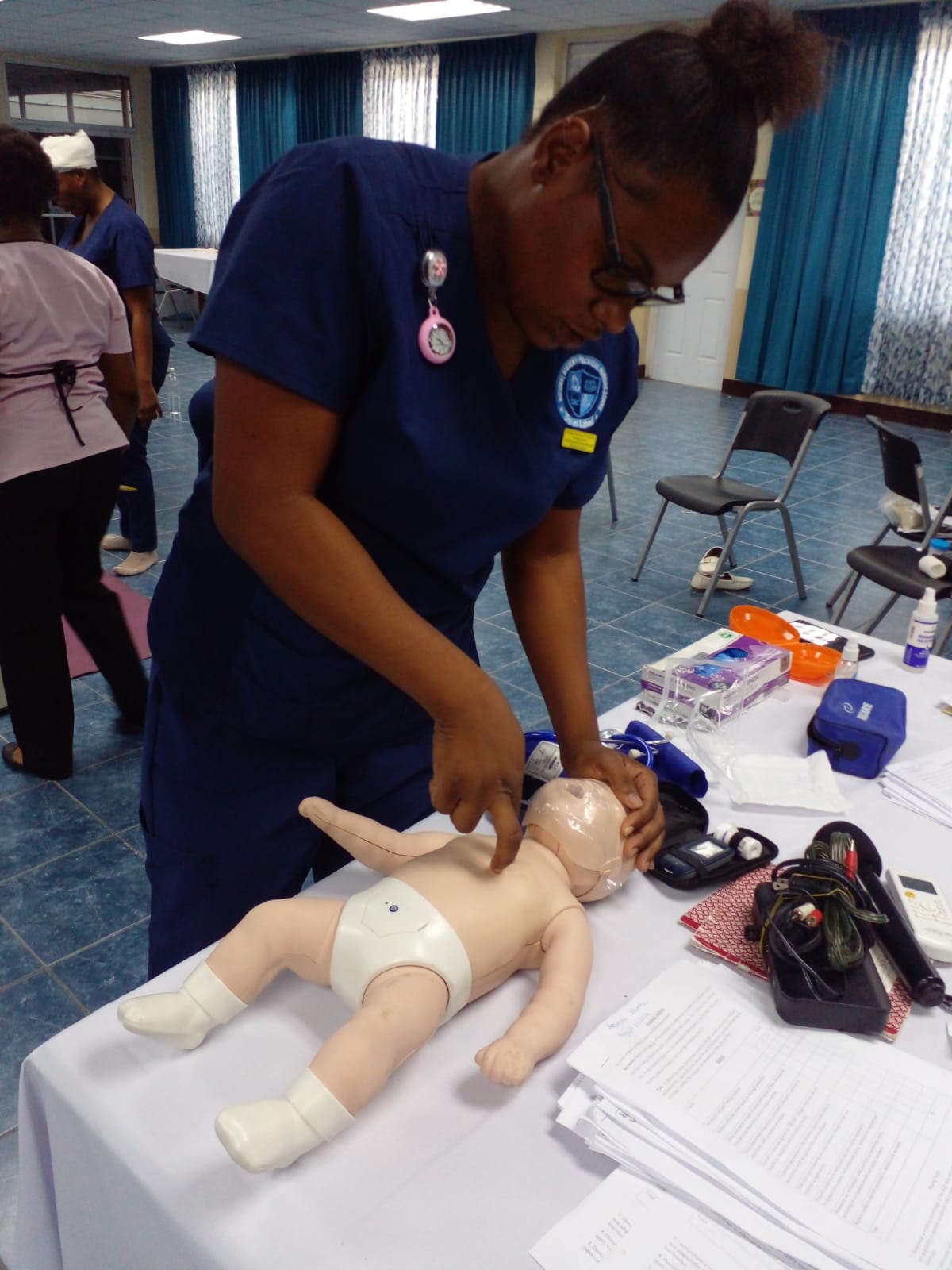
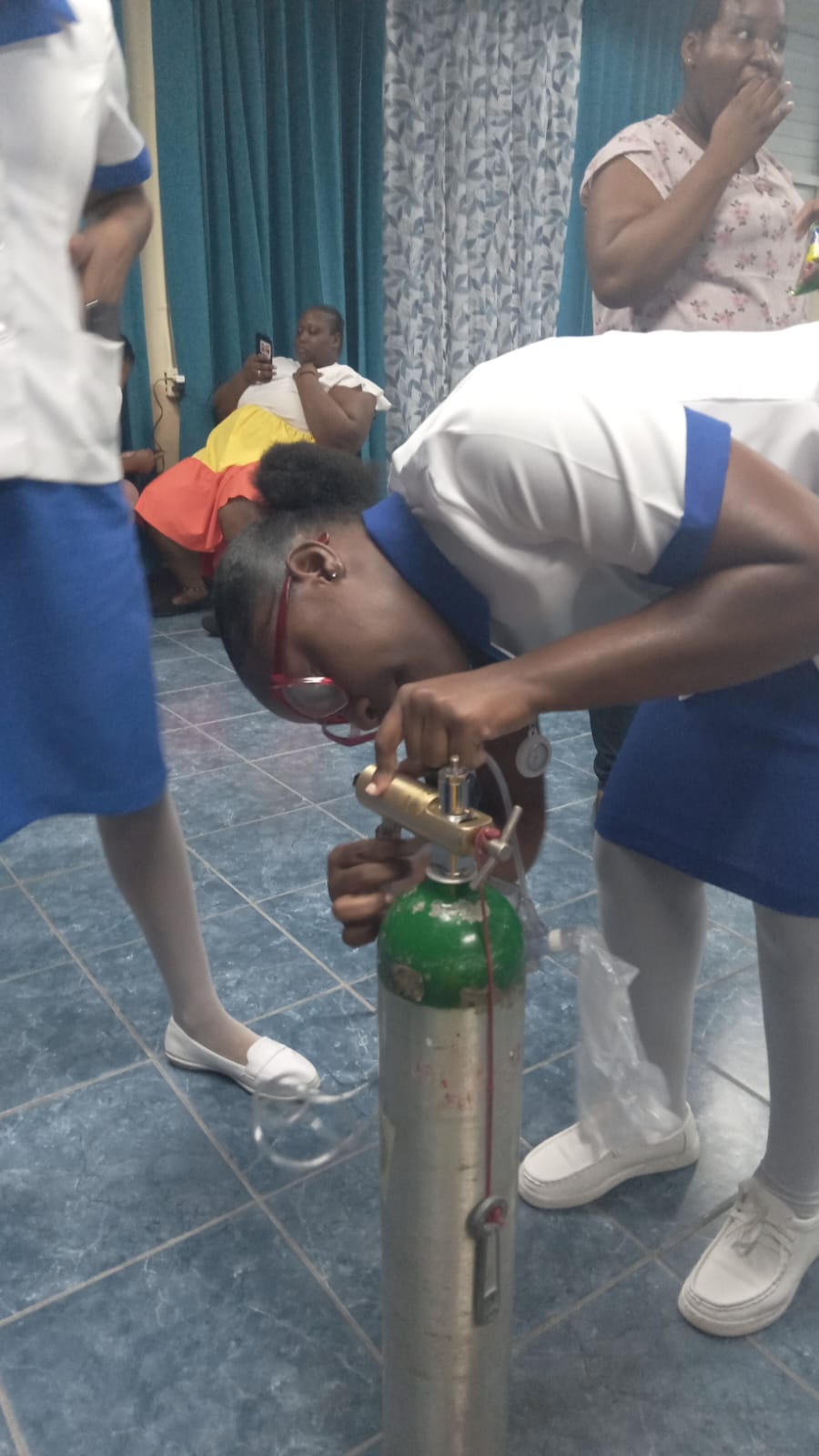
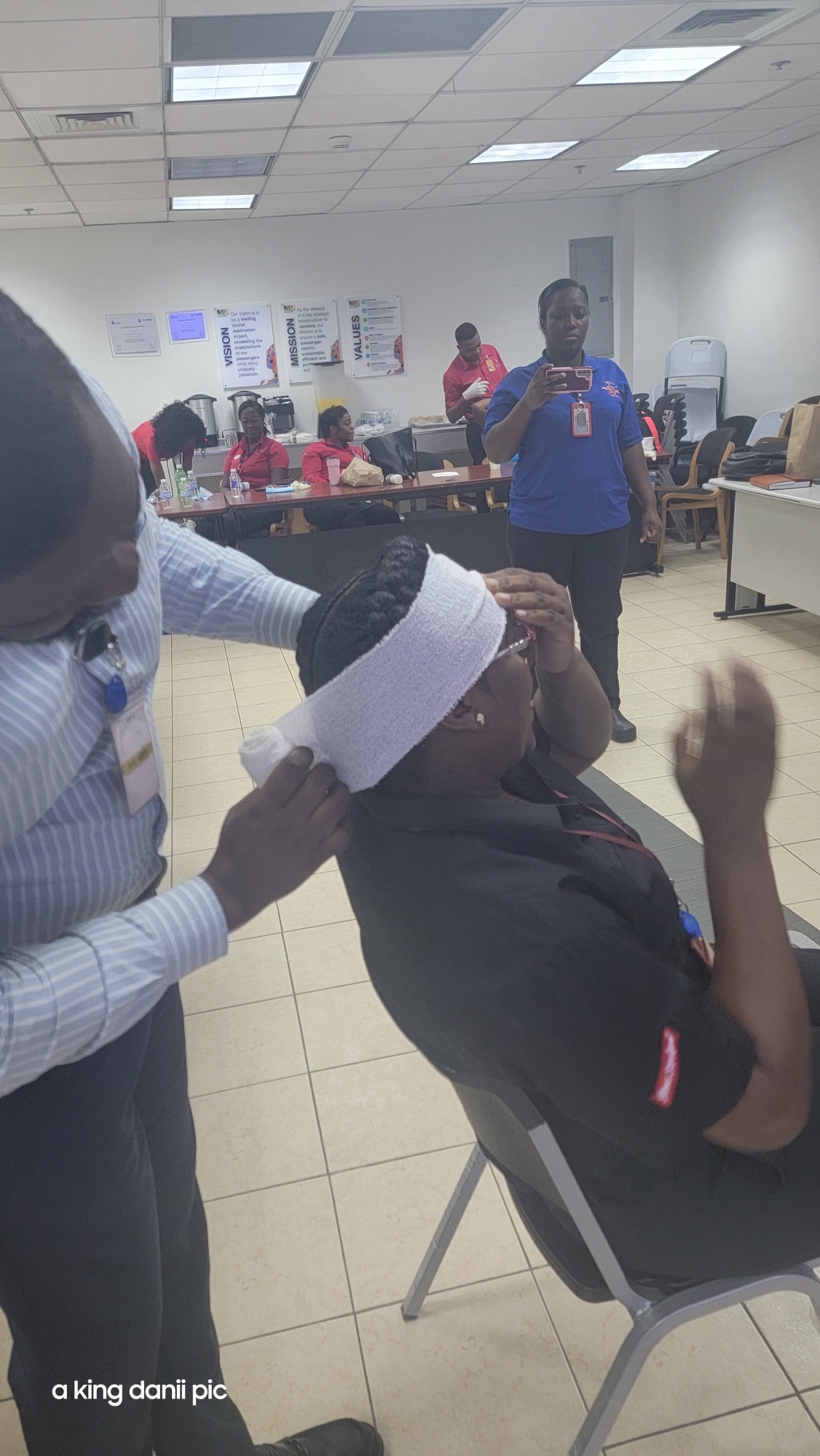
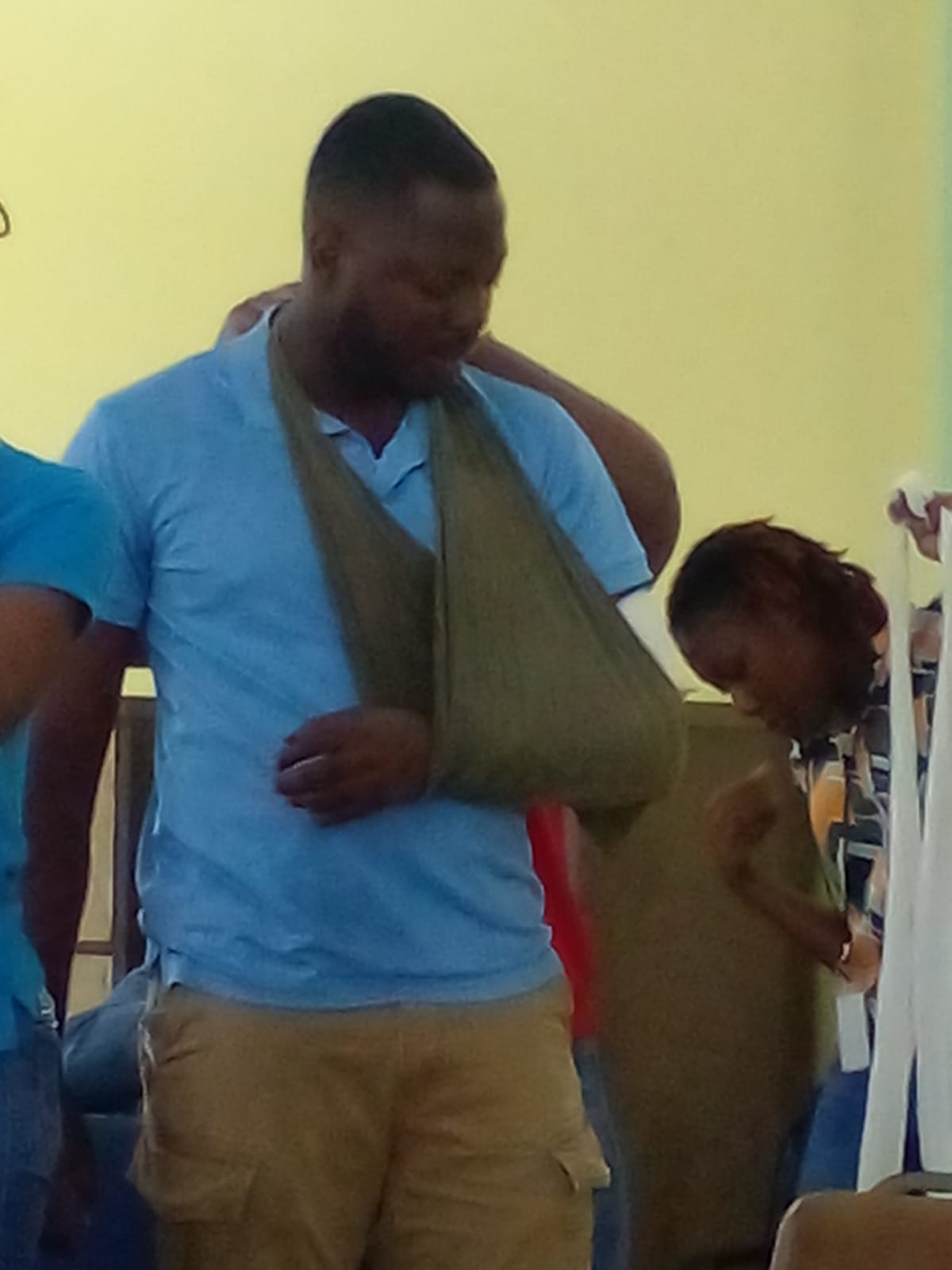
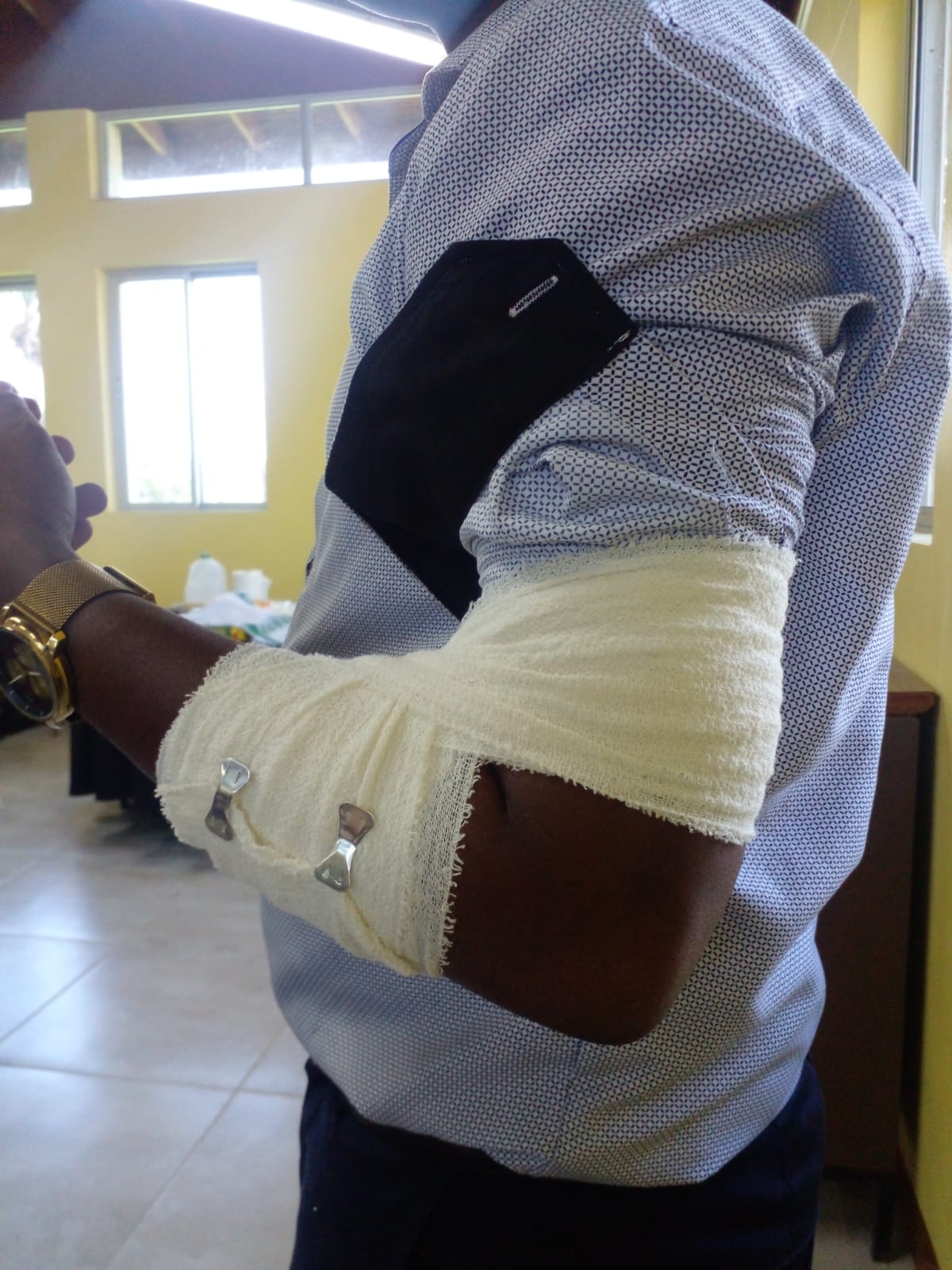

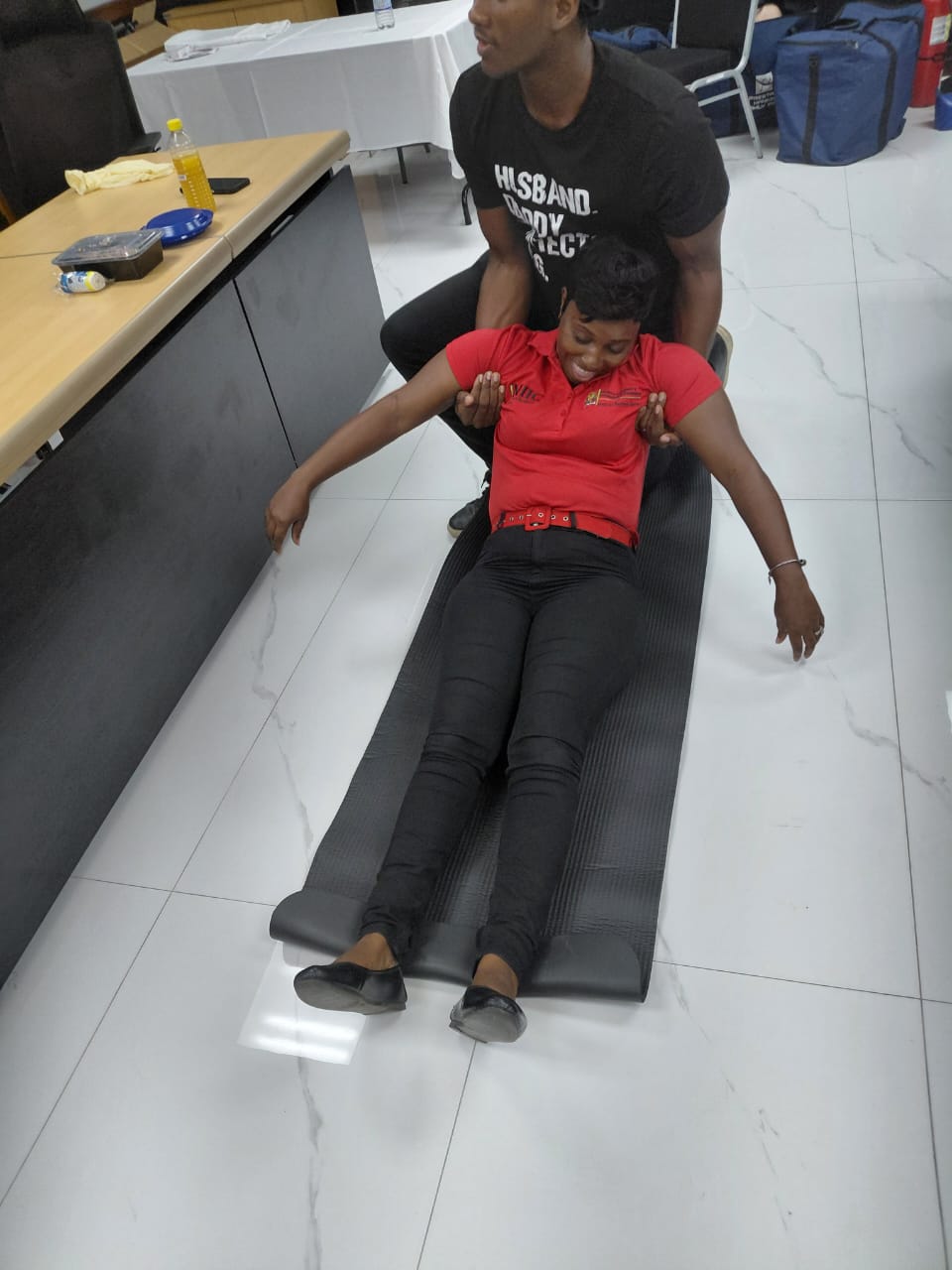
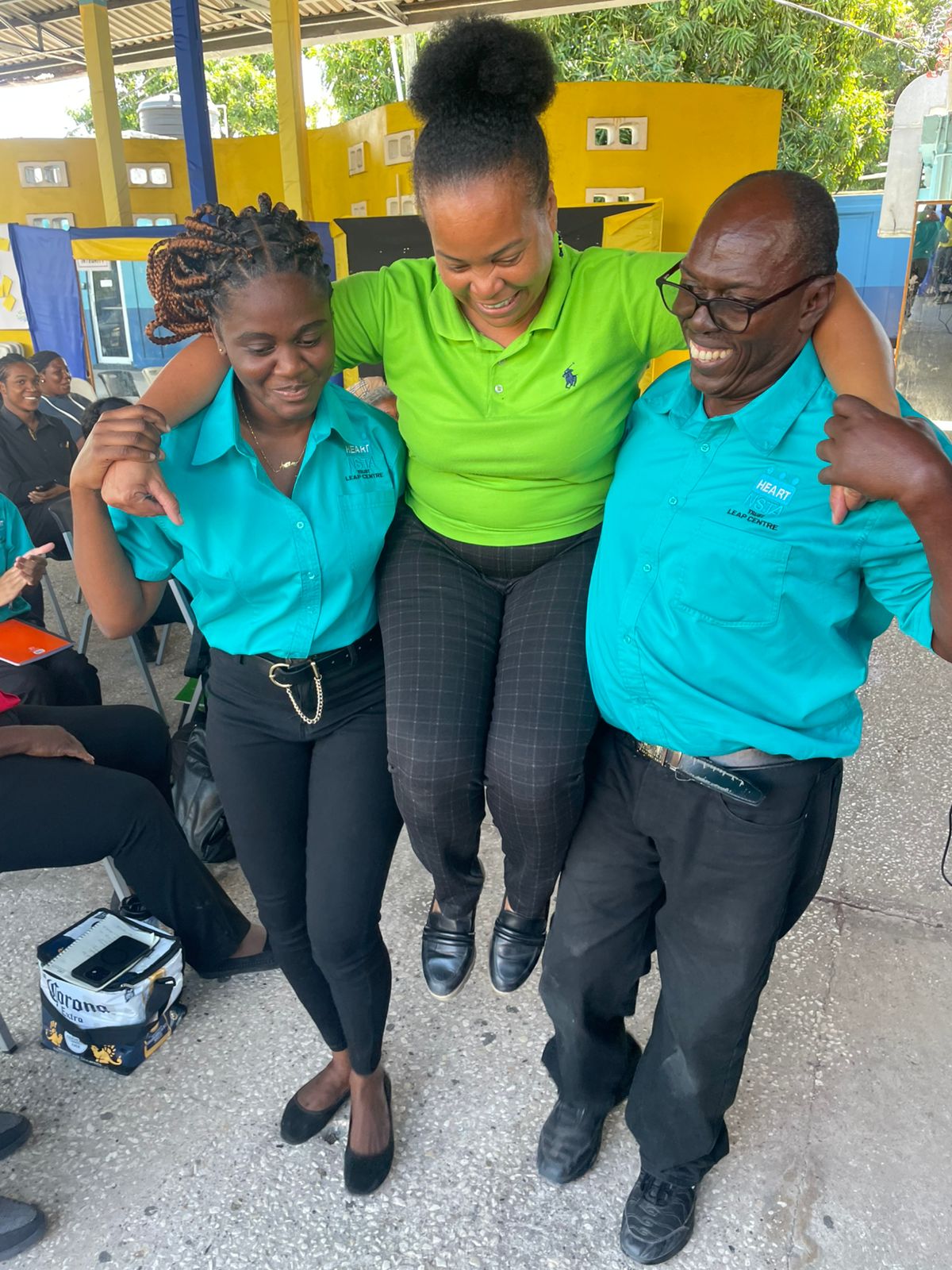
Integrated First Aid and BLS, step by step
Book your spot
Contact us with your group size and preferred dates. We will confirm the schedule and tell you what to bring, including comfortable clothing and closed-toe shoes.
Learn the basics
We start with the chain of survival and how to recognise cardiac arrest. You learn the signs, the priorities, and how to call for help while starting CPR.
Practise on manikins
You work through adult, child, and infant scenarios. You use a bag-valve mask, an AED, and practise clearing an obstructed airway. Instructors give feedback throughout.
Pass the assessment
The course ends with a practical test where you demonstrate your skills. If you pass, you get a certificate that confirms you have met the professional standard.
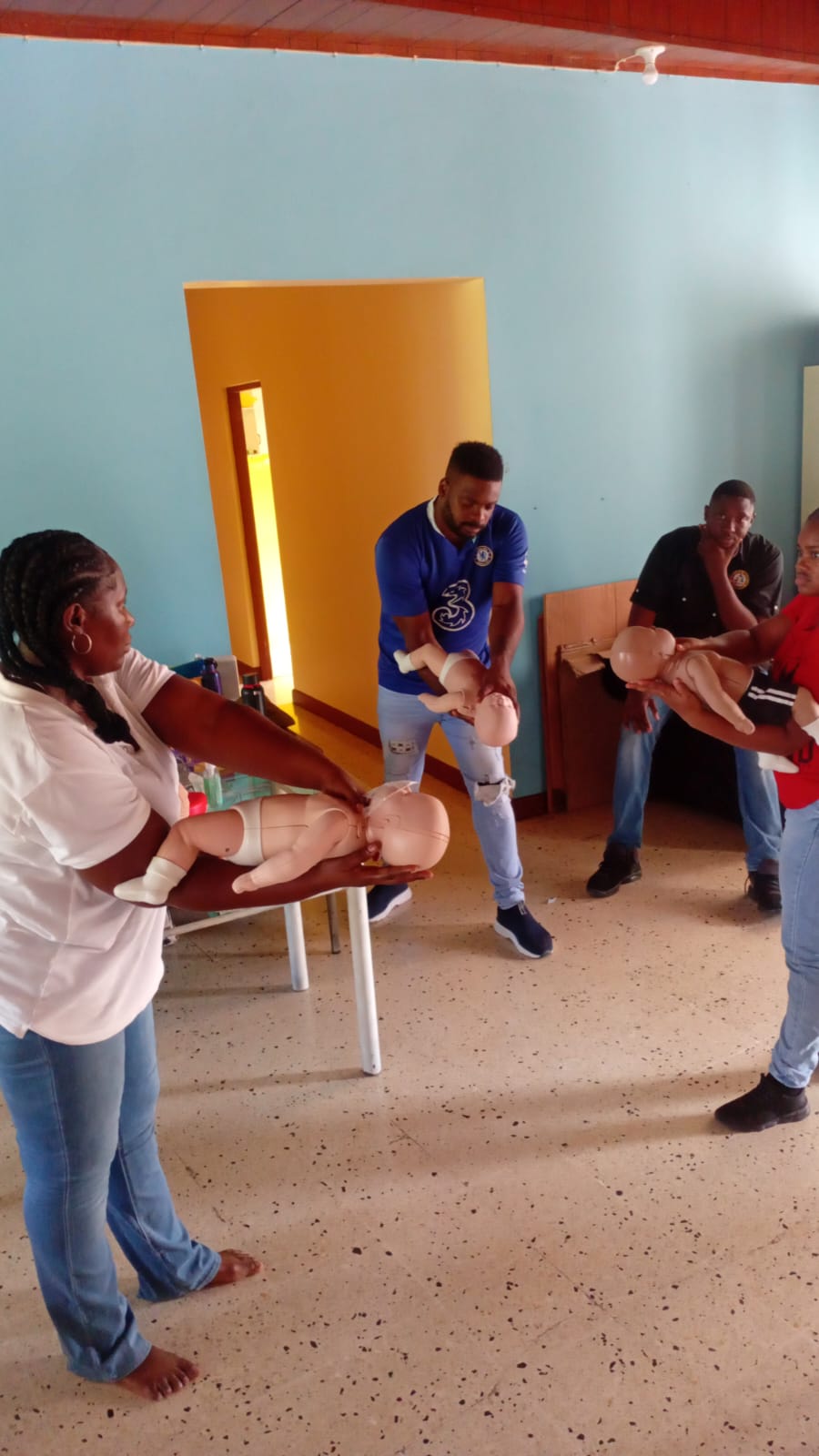
Why Jamaica Rescue Academy for Integrated First Aid and BLS
Realistic scenarios
We build our practice around situations you will actually face, not just textbook drills. You leave knowing how to act when it is loud, stressful, and urgent.
Hands-on coaching
Our instructors watch every compression and ventilation, correcting your technique on the spot. You get the individual attention that makes the skill stick.
Professional focus
This course is designed for people who need to perform in a job, not just for personal knowledge. The pace, the content, and the assessment match that standard.
Related services
View all trainingEmergency responseA complete course for community responders and workplace emergency teams. Covers first aid, CPR, AED use, and how to coordinate with ambulance and hospital services. You will practise scenarios that build the confidence to act when it matters.View details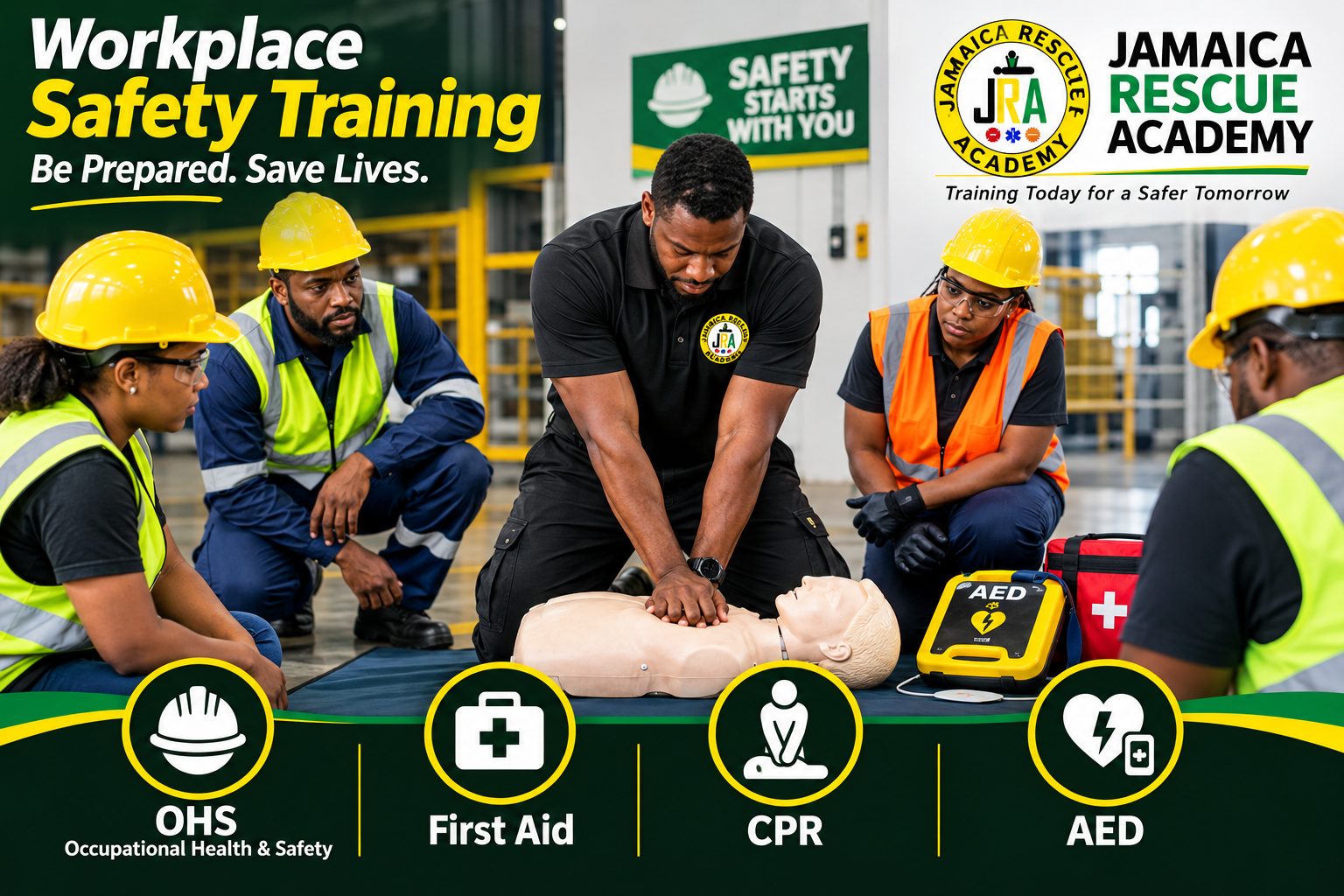 OSH 30-Hour General IndustryThe OSH 30-Hour General Industry Program is designed to provide workers, supervisors, team leaders, safety officers, occupational health personnel, and emergency response personnel with comprehensive knowledge and practical competency in workplace safety, hazard recognition, injury prevention, emergency response, and occupational regulatory compliance.View detailsOccupational Health & Safety (OHS) and Emergency Preparedness TrainingThe Jamaica Rescue Academy (JRA) OHS, First Aid, CPR & AED Program equips participants with knowledge and skills to prevent and respond to workplace emergencies. The program follows 2025 AHA, ILCOR, CDC, OSHA, and Ministry of Labour guidelines using peer-to-peer training.View details
Integrated First Aid, Basic life support (BLS), Airway Management, & Oxygen Therapy Training FAQs
Get in touch about a course
Tell us about your group and what you want to learn. We will get back to you with a course plan and a date that works.