Why the choice matters
The quality of your first aid training can mean the difference between a calm, correct response and hesitation in a crisis. A good provider teaches skills that stick, while a poor one may leave you with a certificate but little confidence. When you are choosing for yourself or your workplace, it is worth taking time to compare what is on offer.
You want a course that matches your needs, whether that is basic first aid, CPR and AED, or a more advanced qualification like Basic Life Support. The provider should be able to explain what their course covers and how it is taught. Look for clear outlines and honest descriptions of the skills you will practise.
Check the course content
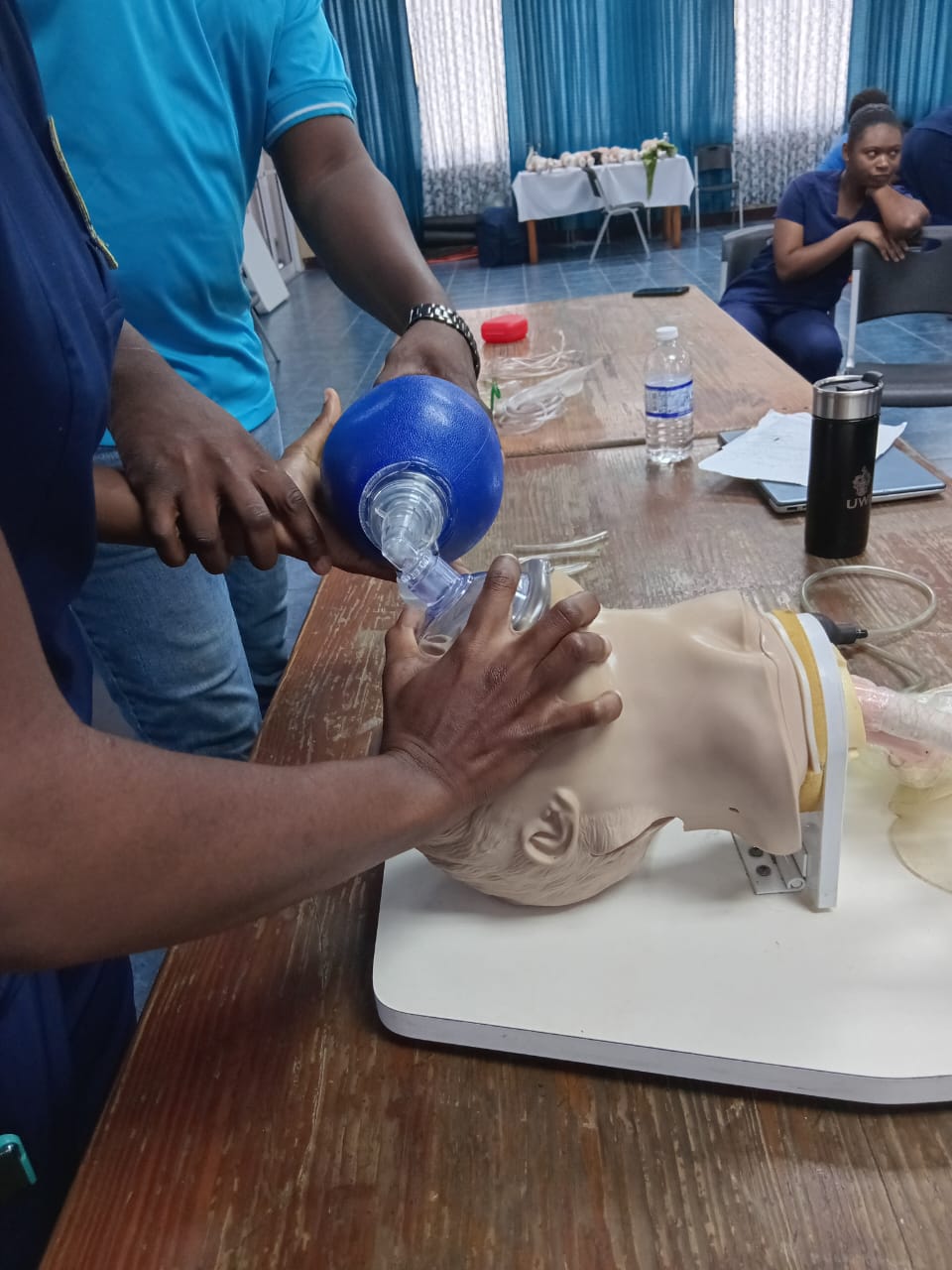
Ask for a detailed breakdown of the topics. A solid course should cover scene safety, calling for help, CPR, choking, bleeding, and shock. It should also include time for hands-on practice, not just lectures. Find out how much of the session is practical, because you learn first aid by doing it, not just by watching.
Some courses add extras like using an AED or dealing with burns and fractures. Think about where you will use the skills, at home, at work, or in a public place, and choose a course that covers those situations. If you are training a team, ask if the provider can tailor examples to your industry, such as construction, hospitality, or an office.
Look at the instructor's background
The instructor makes a big difference to how well you learn. Ask about their experience and whether they have worked in emergency response or healthcare. A trainer who has dealt with real emergencies can share stories and practical tips that go beyond the textbook. They should also be able to answer your questions clearly and patiently.
You do not need to know every detail of their qualifications, but you should feel confident that they know what they are talking about. A good instructor will check that everyone is following along and will not move on until you have mastered a skill. If you have a chance, ask for references or read reviews from past participants.
Consider the class size and format
Smaller classes mean more individual attention. If you are learning in a group, find out the maximum number of participants. A class of ten or twelve is easier for the instructor to manage than one with thirty. You want enough time to practise each skill and get feedback on your technique.
Also think about the format, in-person, online, or a blend. For first aid, the hands-on part is essential, so a fully online course may not give you the practice you need. If you choose a blended course, make sure the practical session is long enough for everyone to have a go. Ask how the provider handles make-up sessions if you miss a class.
What to ask before you book
Before you pay, ask about the certificate you will receive and how long it stays valid. Find out if there is a written test or a practical assessment, and what happens if you do not pass. Ask about the cancellation policy and whether you can reschedule if something comes up. These details affect your experience, so it is good to know them upfront.
Finally, trust your instinct. If a provider is vague about their course content or seems more interested in selling than teaching, look elsewhere. A reputable training provider will be happy to answer your questions and help you choose the right course. After all, the goal is to leave you prepared, not just certified.