Emergency response
Emergency response in Portmore, Jamaica. Free, no-pressure estimates.
5.0 stars on Google
From 1 Google review.
Local, and close by
Covering areas in Jamaica and the Caribbean.
Free estimates
Tell us what needs doing and we will come out and take a look.
About our emergency response
When a crisis hits, the first minutes decide what happens next. Whether it is a fall at a worksite, a collapse in a classroom or a road accident near your gate, most people freeze because they do not know where to start. This course gives you a clear sequence to follow so you can step forward instead of standing back.
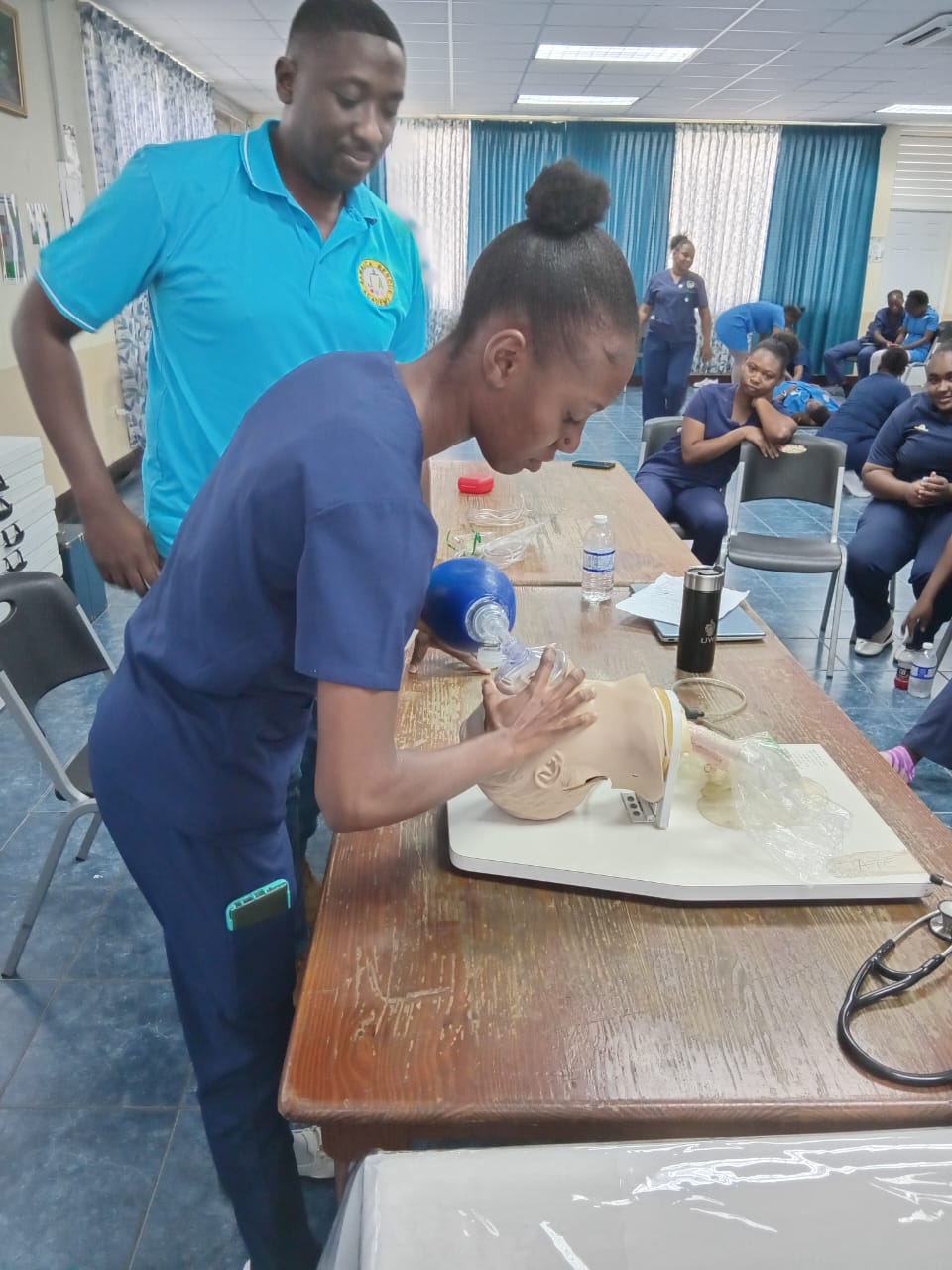
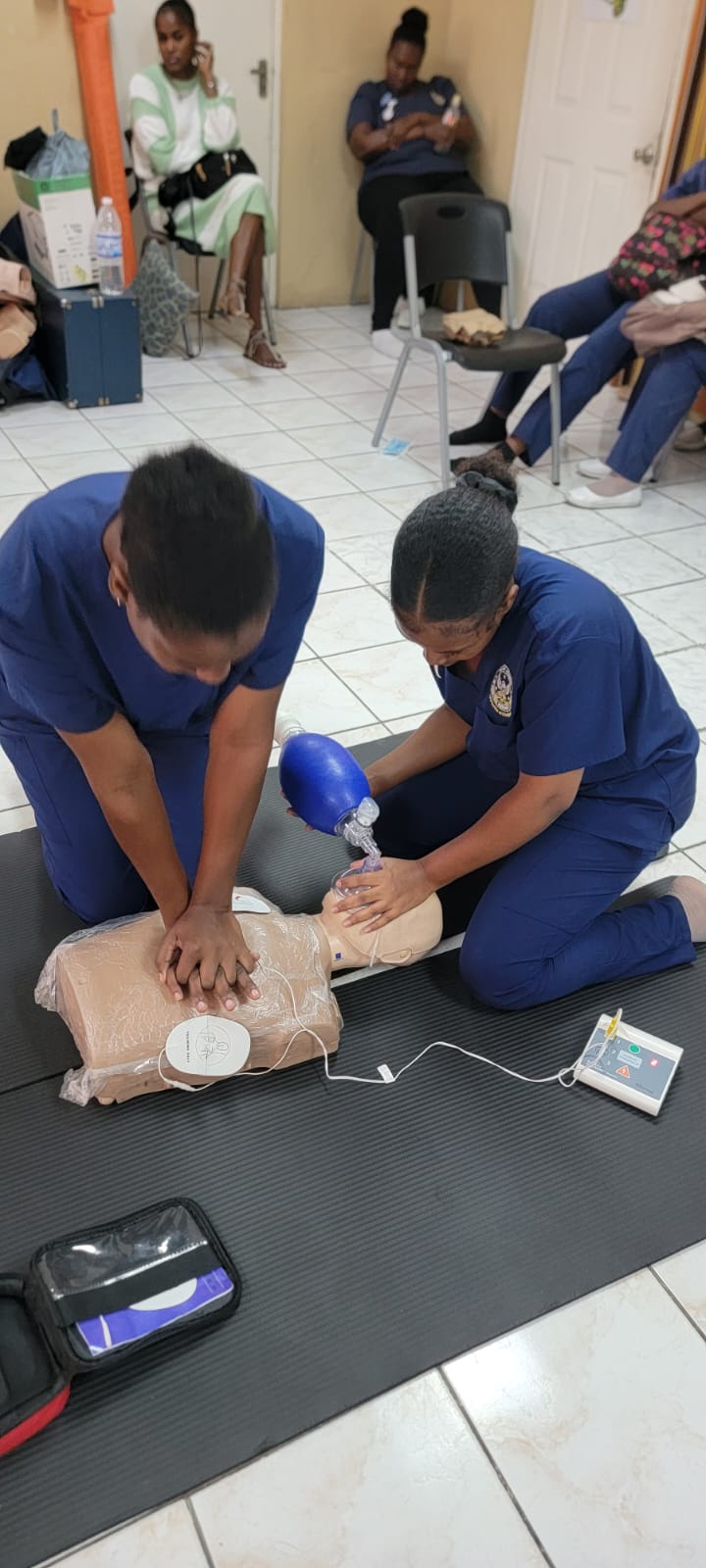
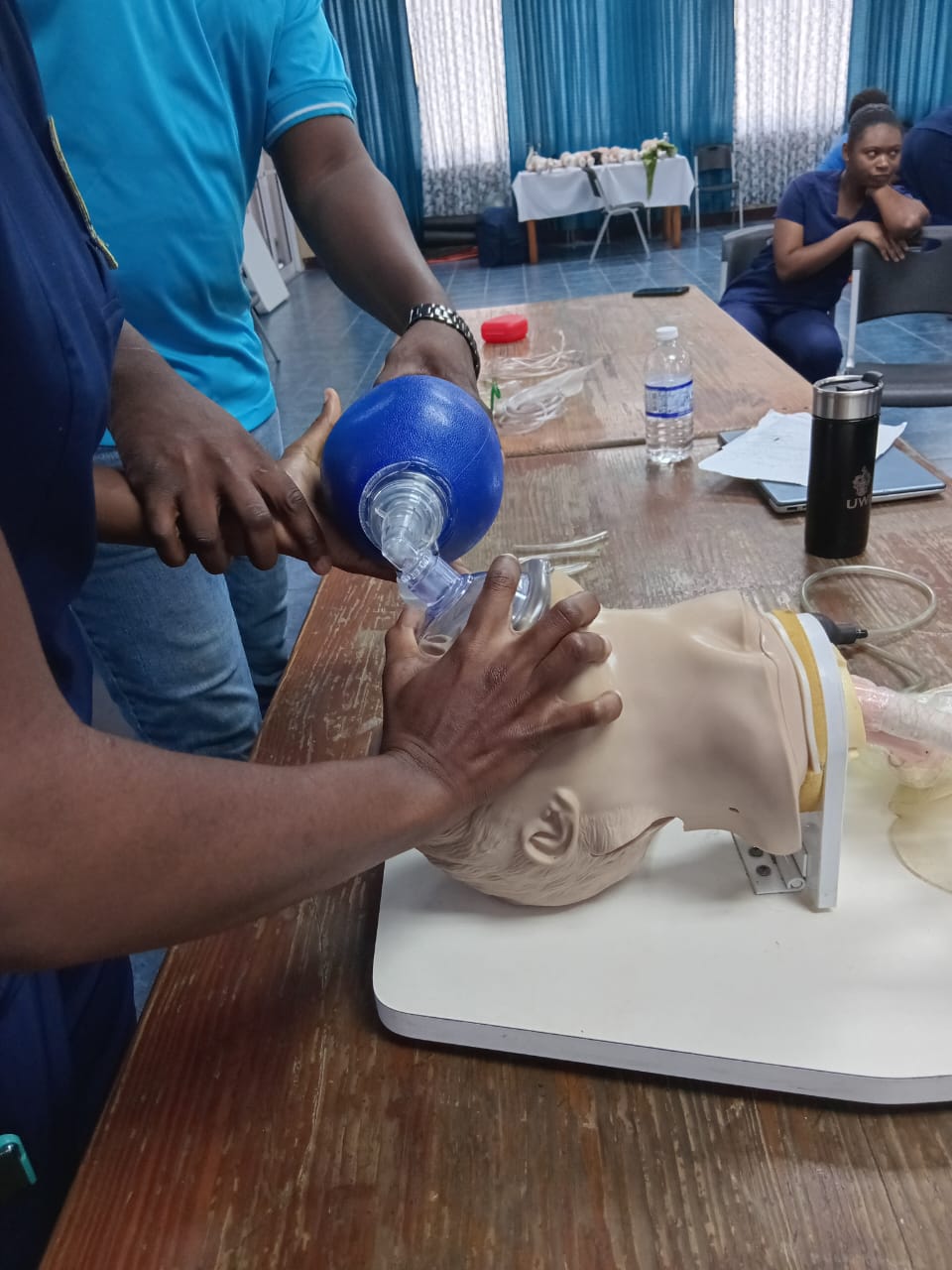
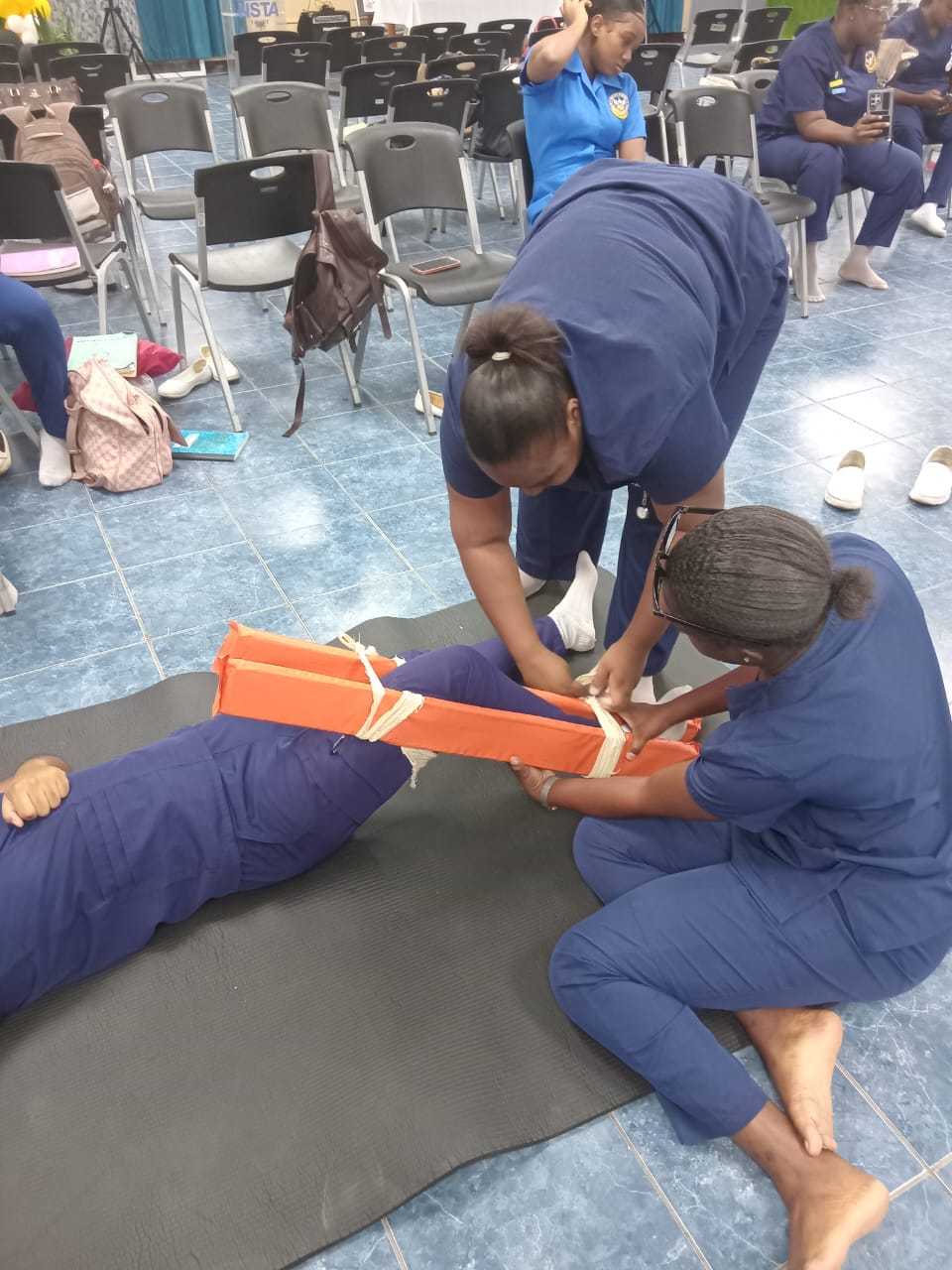
We build the training in stages. First you learn to check the scene and make sure it is safe, then you practise calling for help and giving clear information to the dispatcher. From there we move through CPR cycles, using a pocket mask and bag-valve-mask, applying bandages and splints, and working with an AED until professional help arrives.
Every group brings different conditions. A school needs to think about playground injuries and children's smaller airways. A factory floor has machinery risks and more adults. Outdoor teams face heat stroke and snake bites, while office staff deal more with cardiac events. These factors change how we pace the session and what scenarios we run, which moves the time and cost.
Expect to be on your feet. We run you through scenarios where you have to sort casualties, decide who gets attention first and keep talking to the ambulance while you work. You will leave with a checklist of what to refresh and how often. Before the session, let us know the layout of your site and any specific risks you face.
Scene size-up
We drill the habit of checking danger, then response, then breathing before you ever touch a casualty. This order keeps you safe and tells you what to report.
AED placement
You practise placing pads correctly on different body sizes and following voice prompts while continuing compressions without stopping the rhythm.
How we work
- Experience crew from first call to final session
- Hands-on practice on every skill
- Current protocols taught without shortcuts
- We bring all equipment and materials
- Questions answered after training ends
- Training matched to your real environment
Get a Free Quote
Recent work
A look at the kind of job we are called out for across Jamaica.
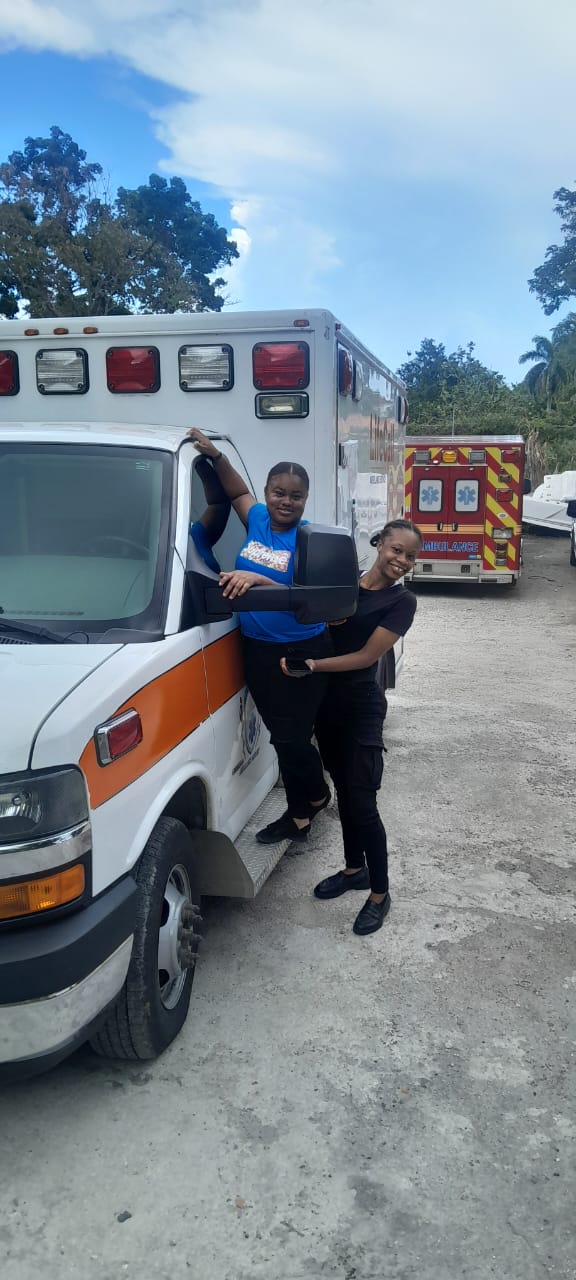
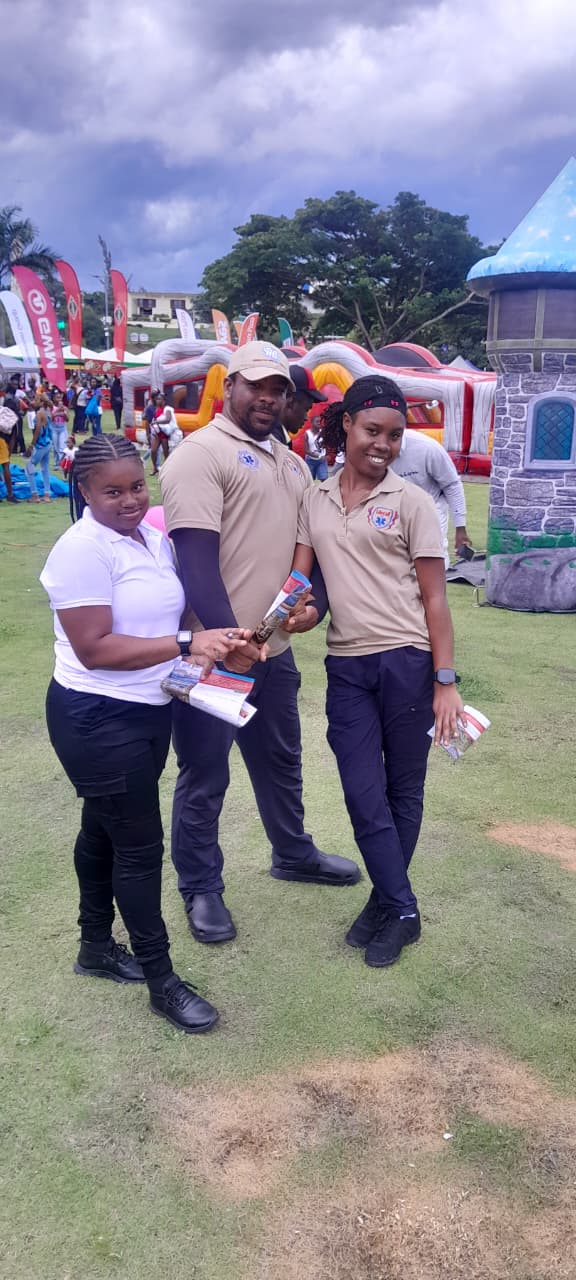
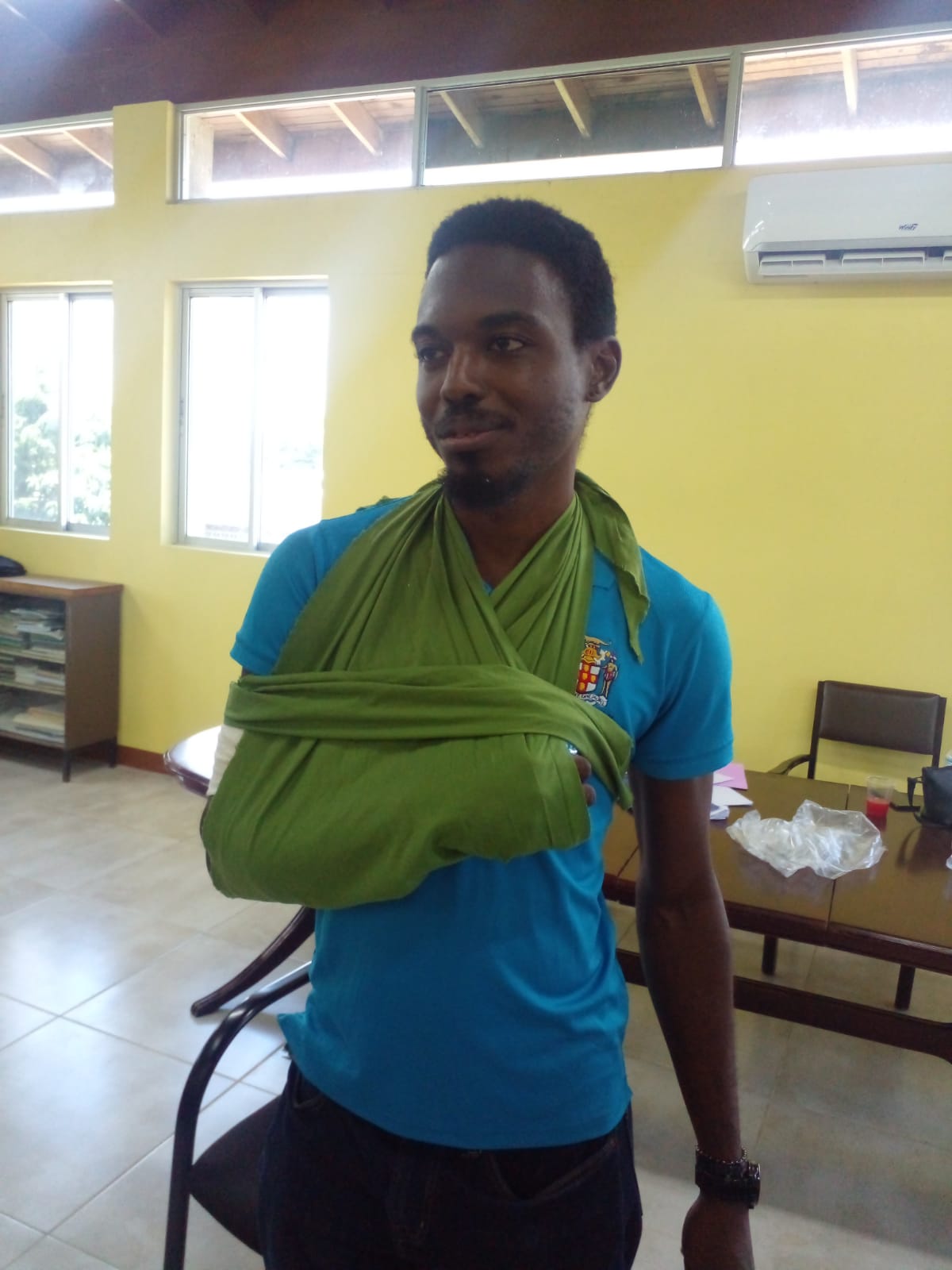
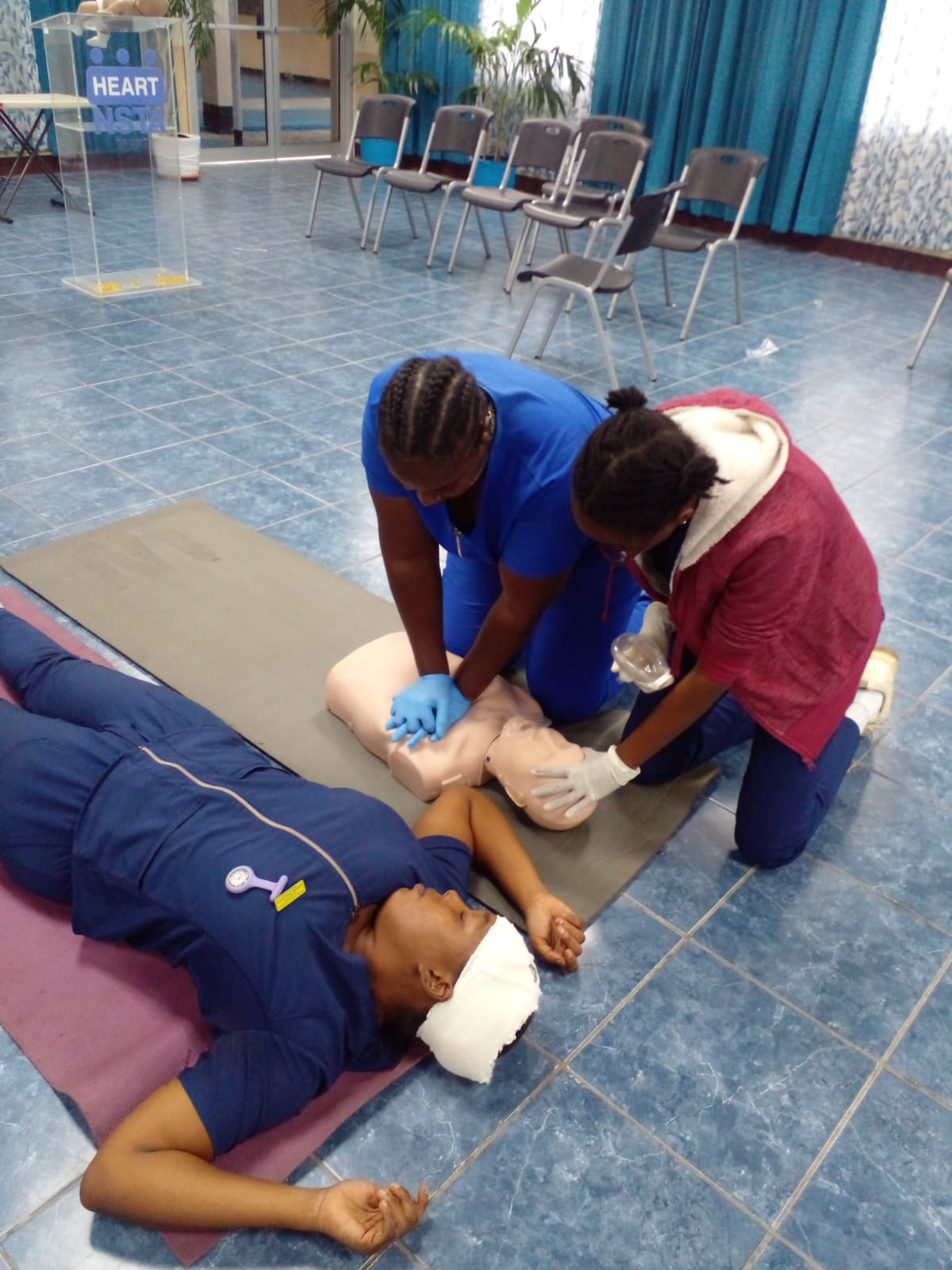
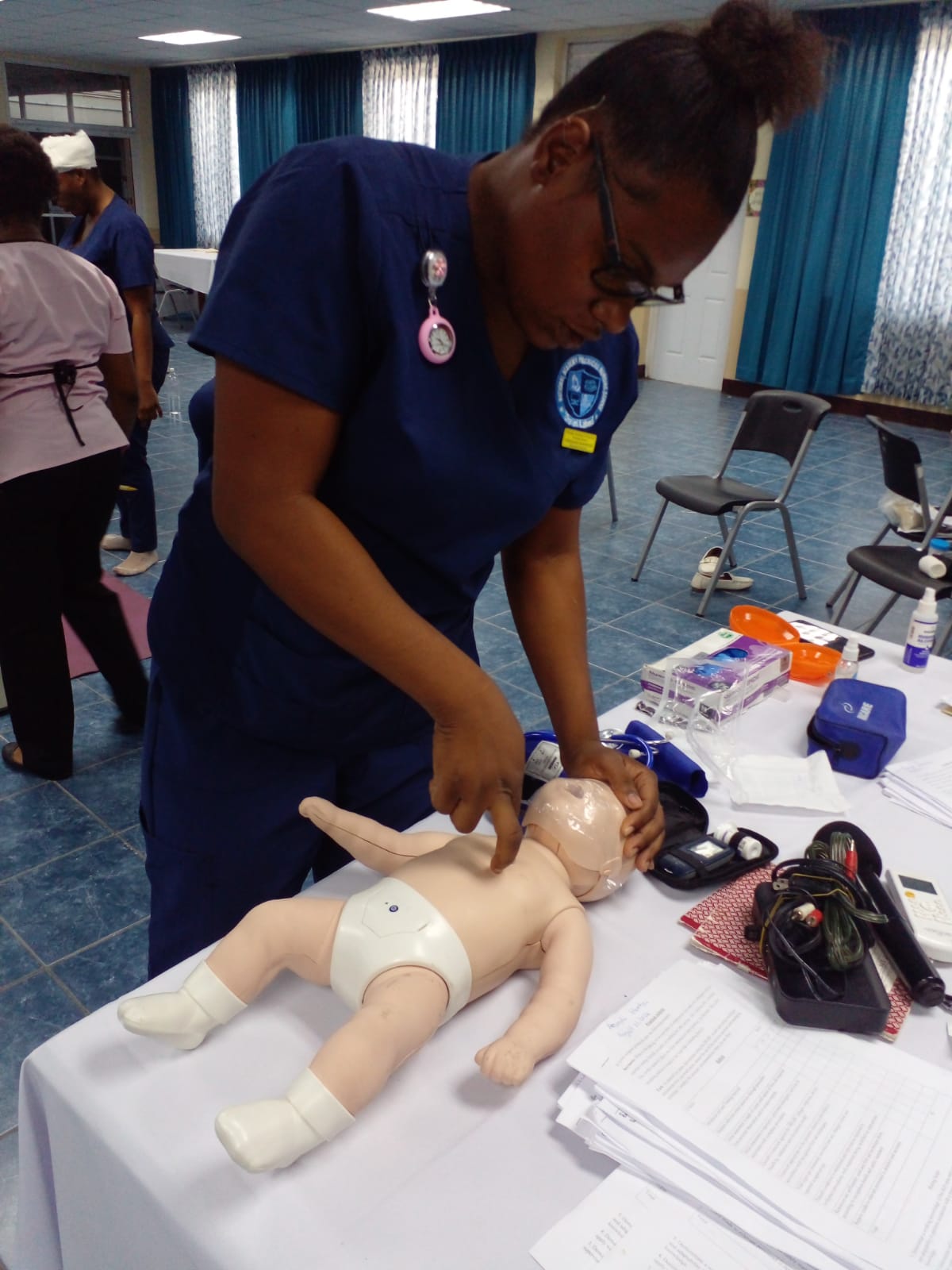
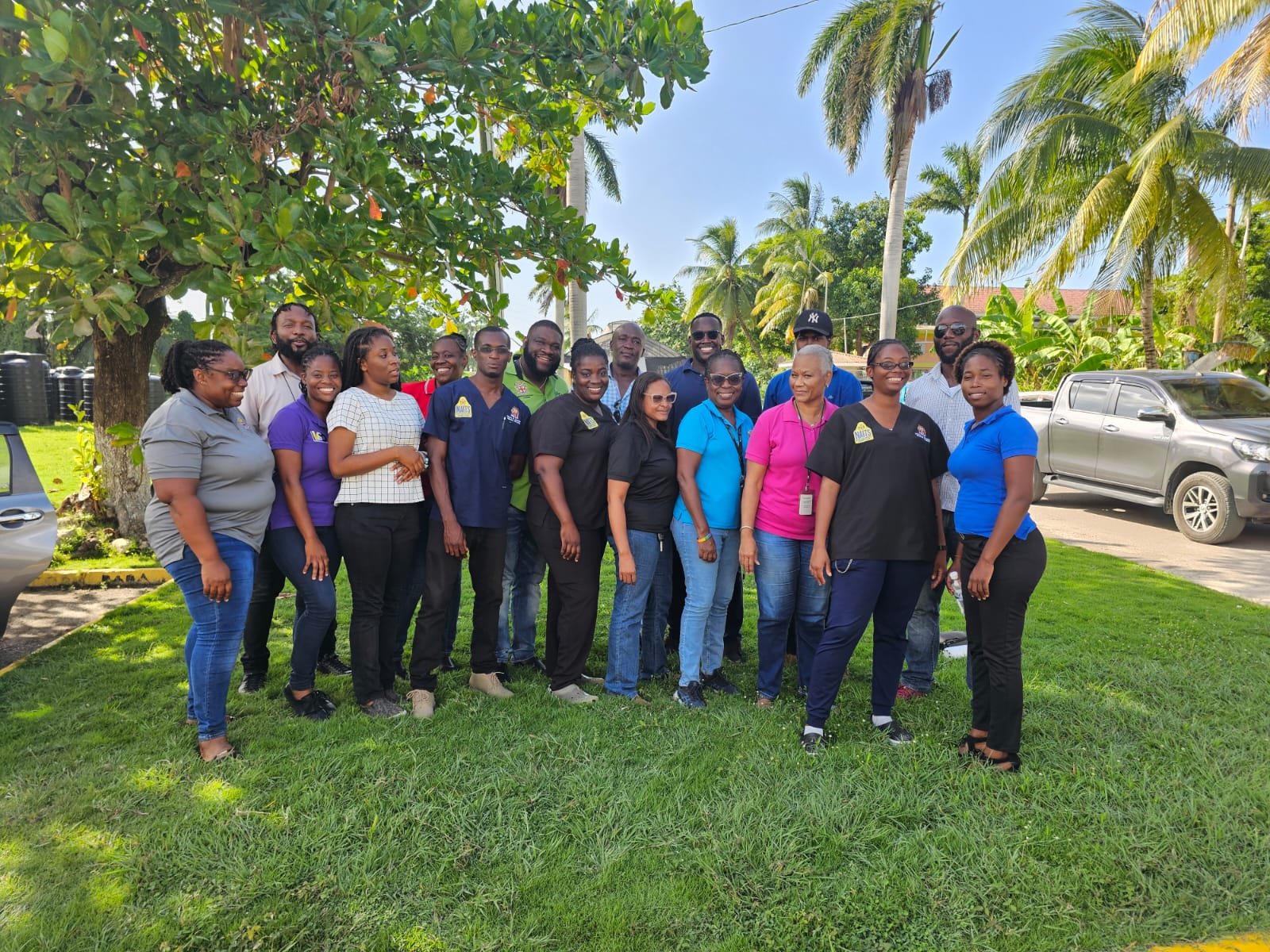
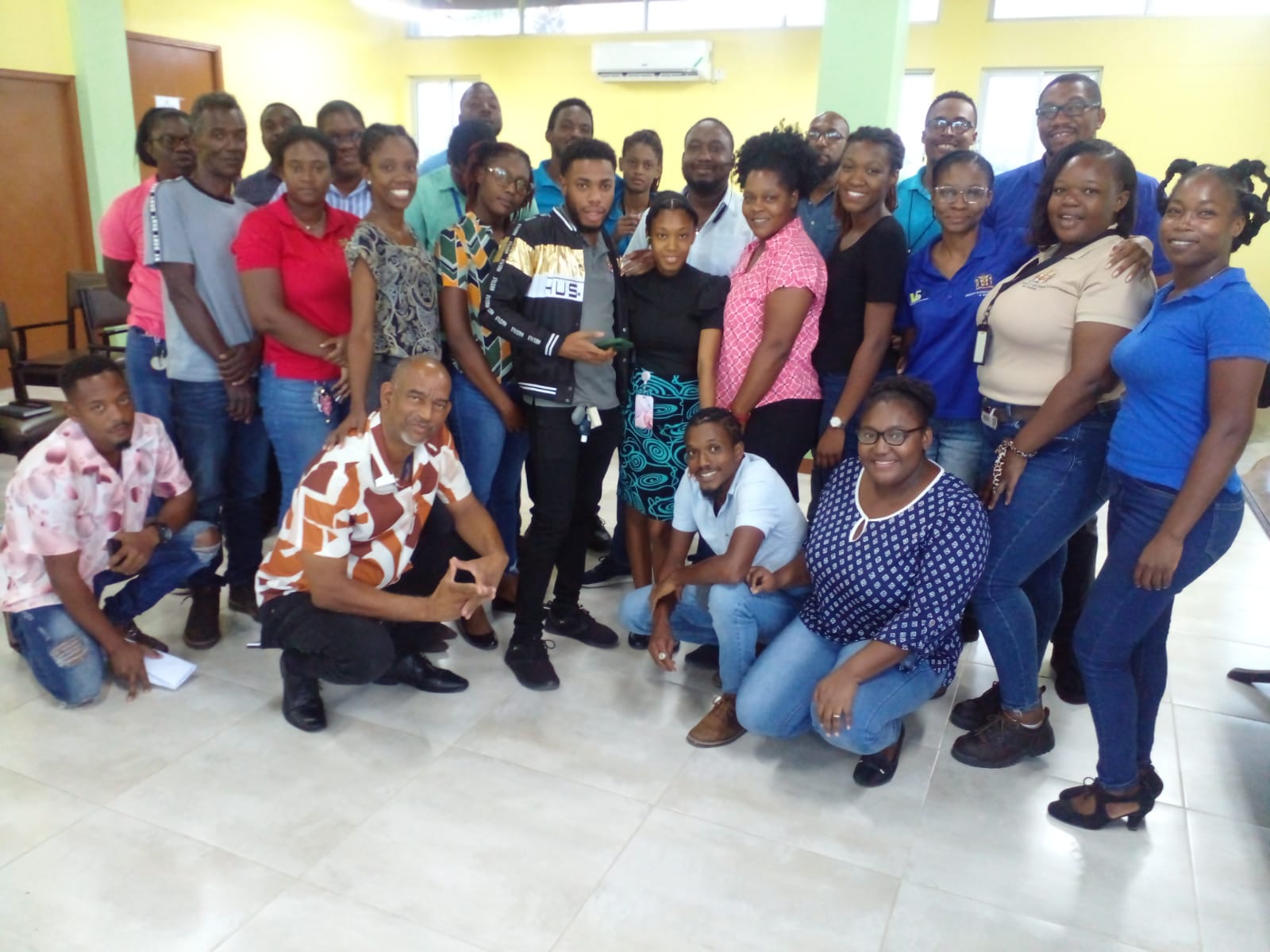
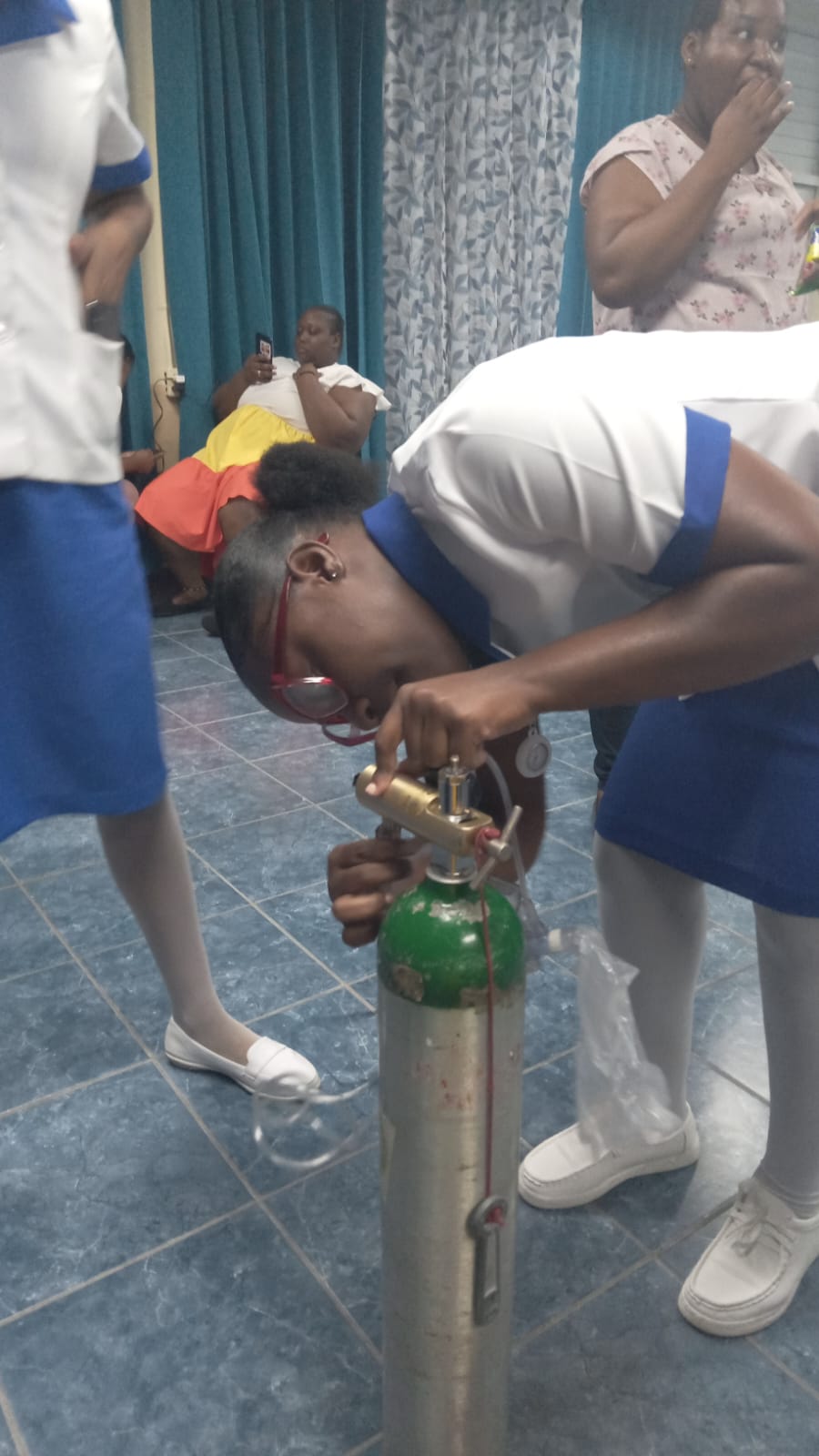
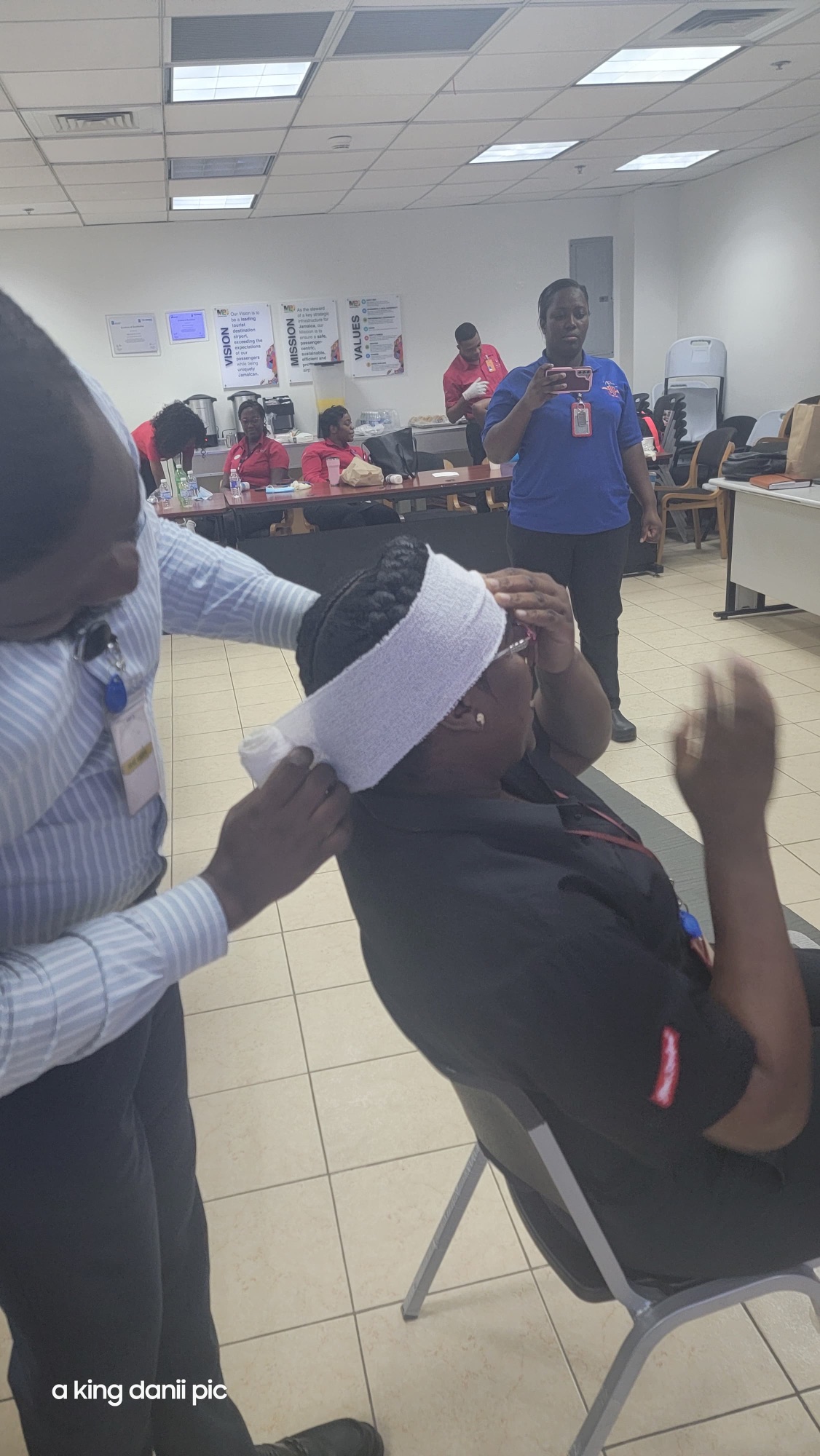
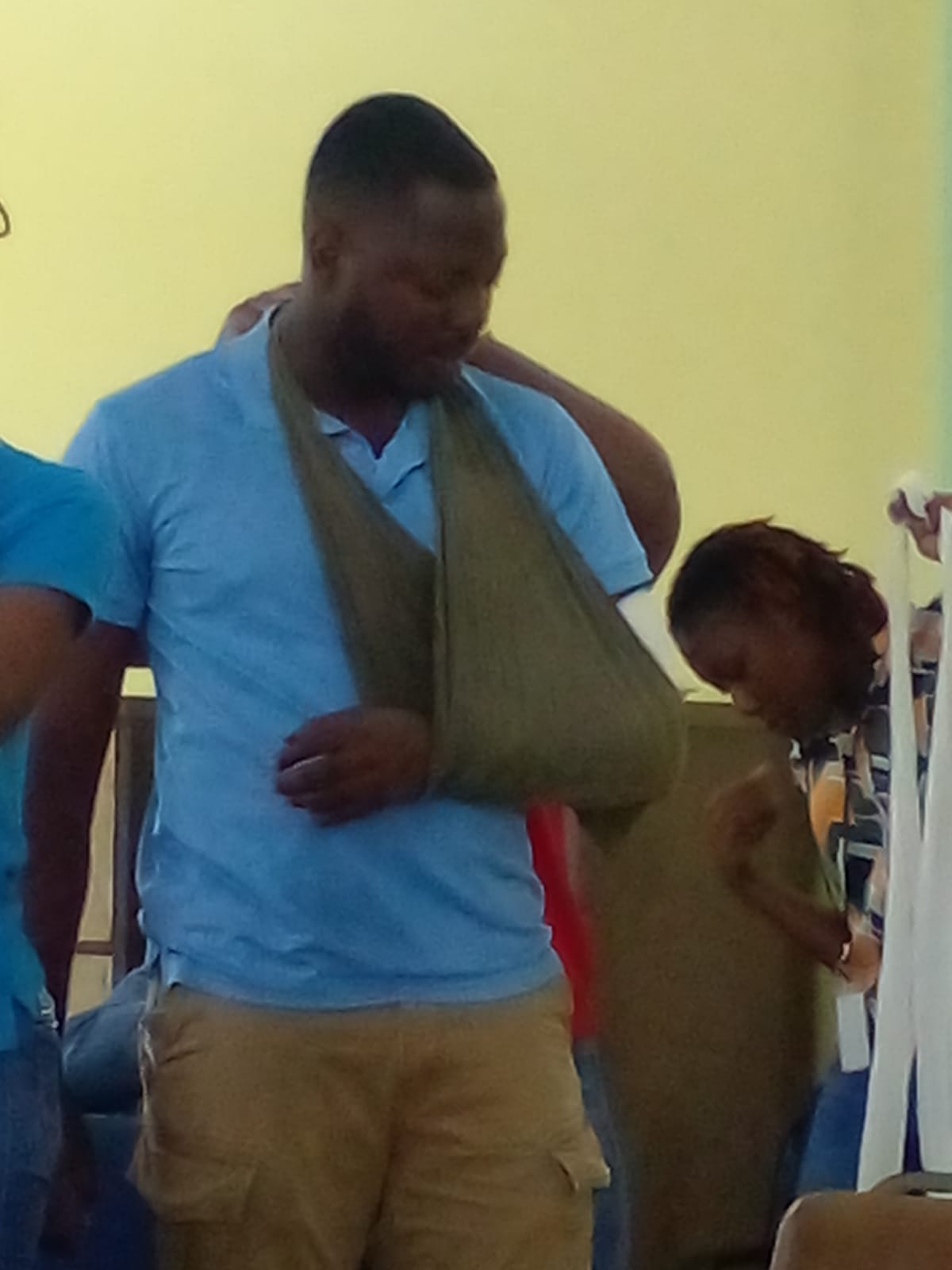
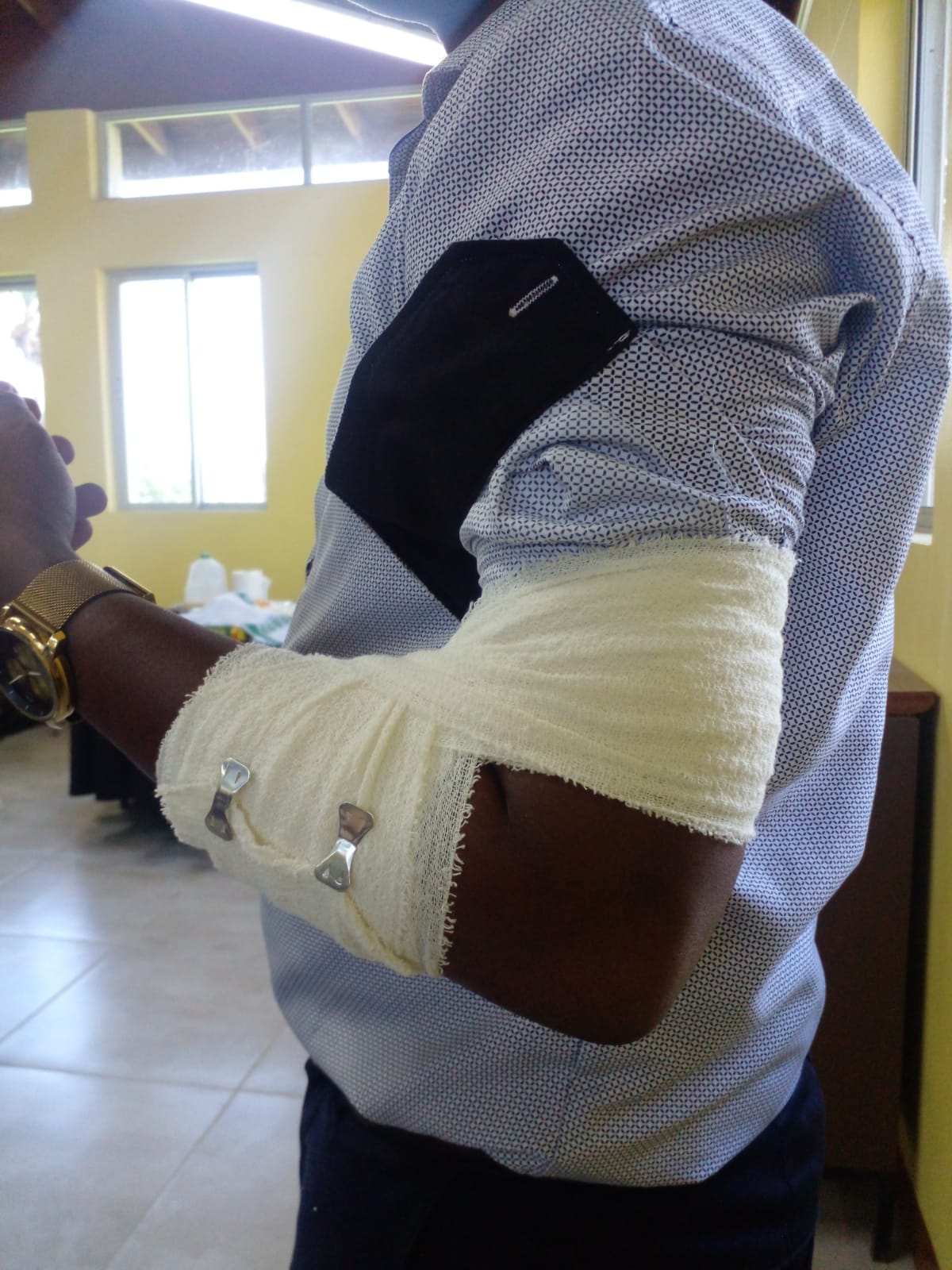
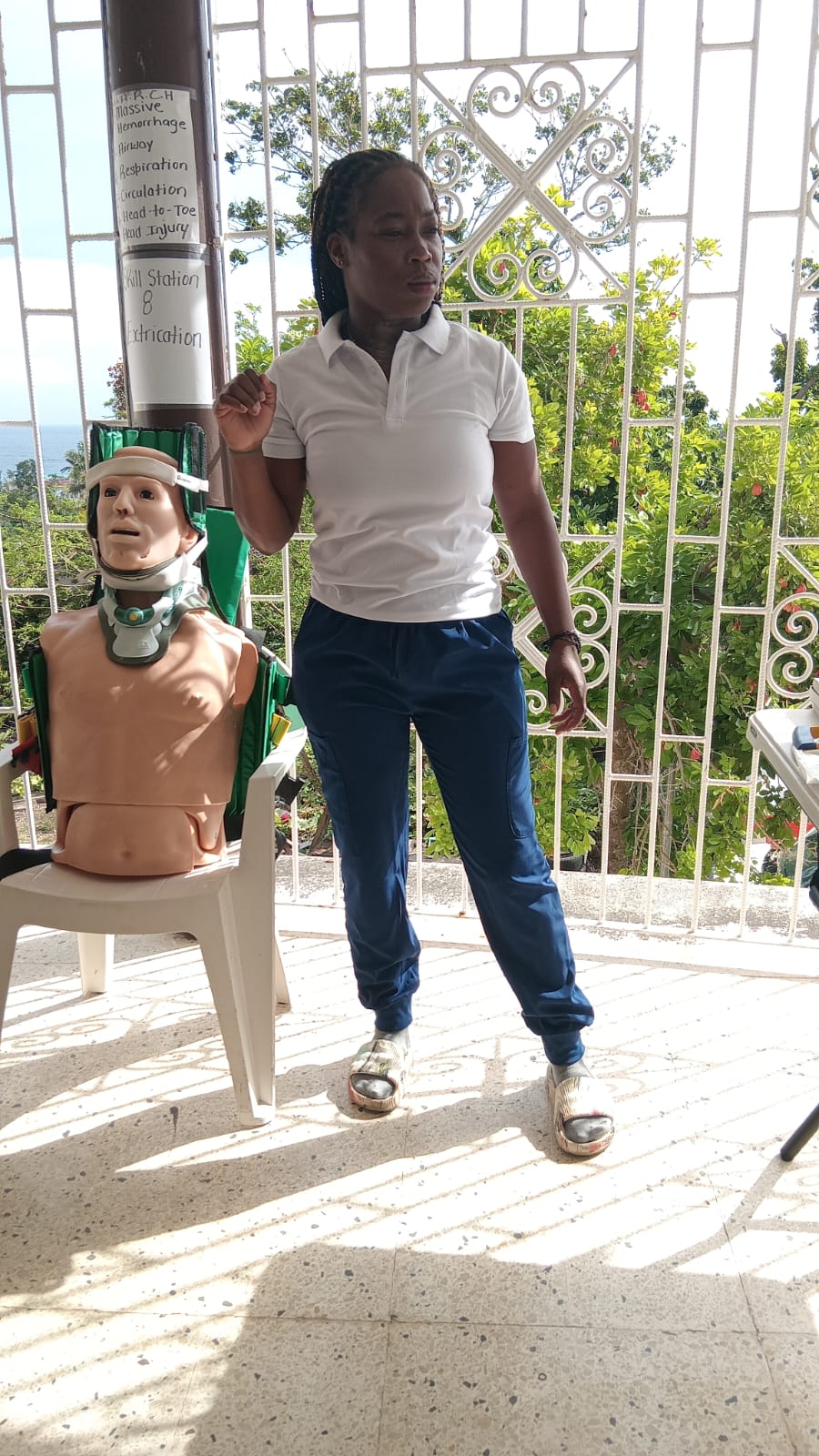
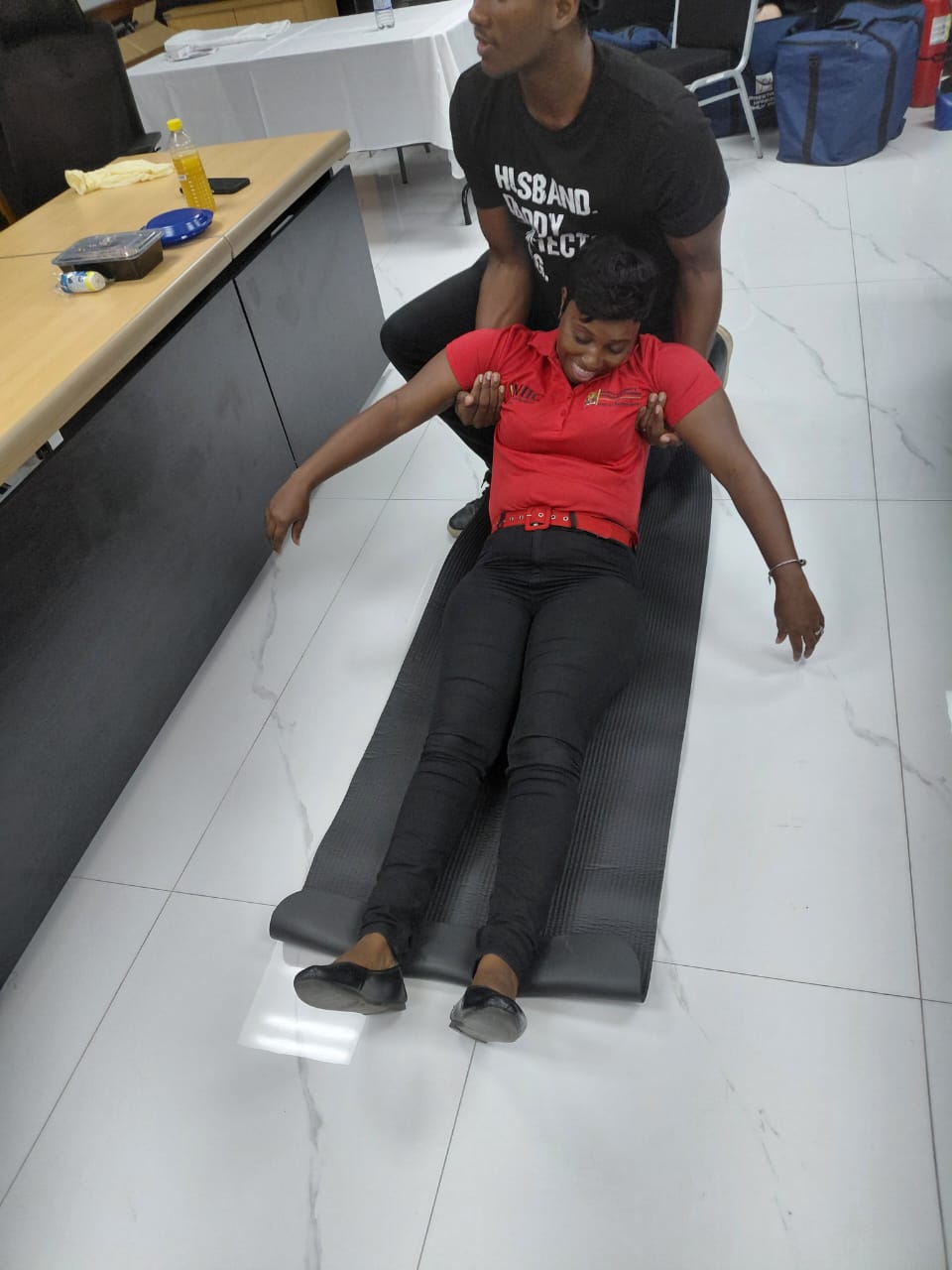
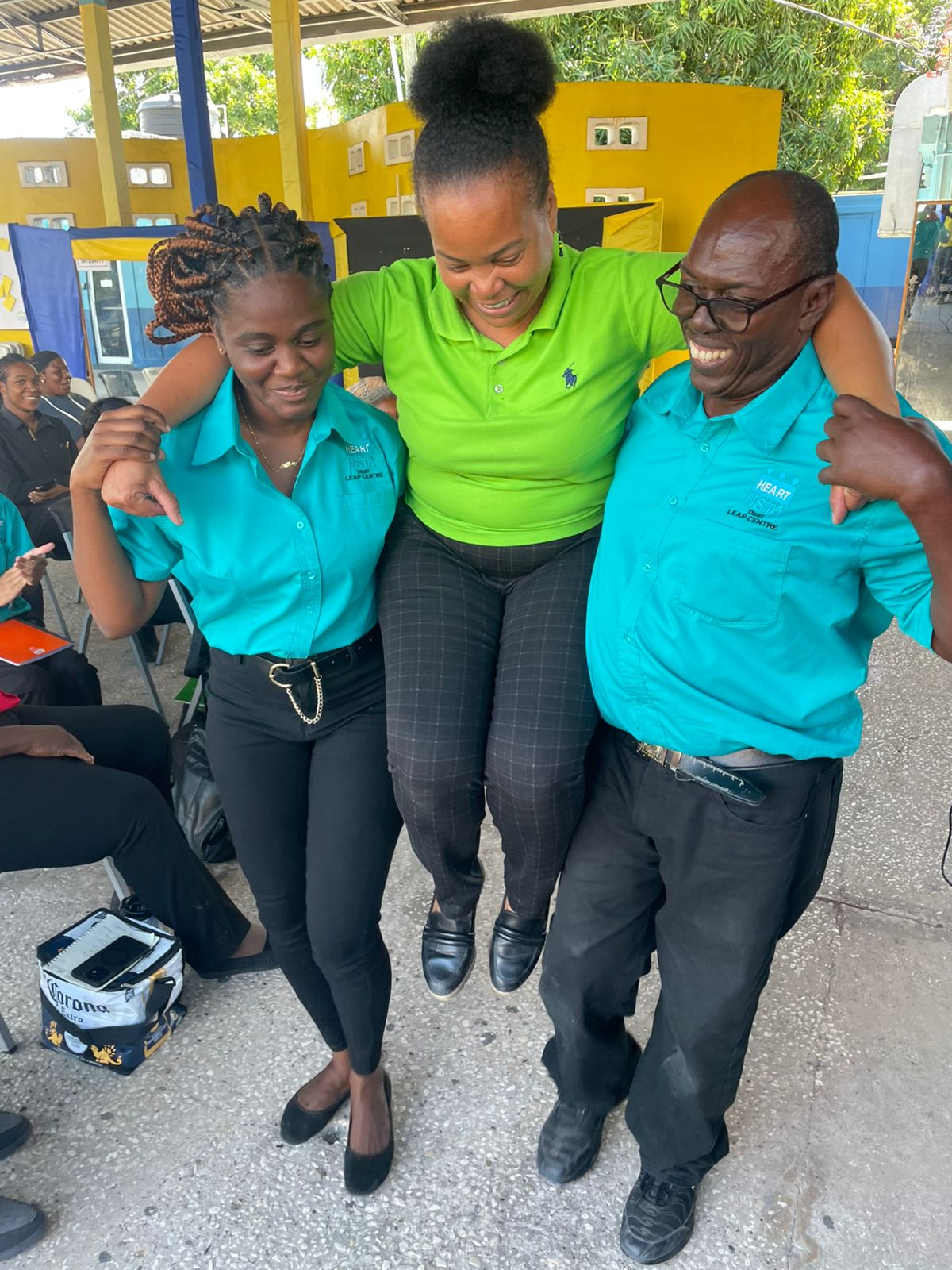
Our 4-step emergency response process
Site discussion
We talk through your location, the number of people you need trained and the specific hazards your group faces so the session fits your reality.
Hands-on drills
You work with manikins, bandages, splints and an AED trainer. Each person practises compressions, rescue breaths and bleeding control until the movements feel natural.
Scenario practice
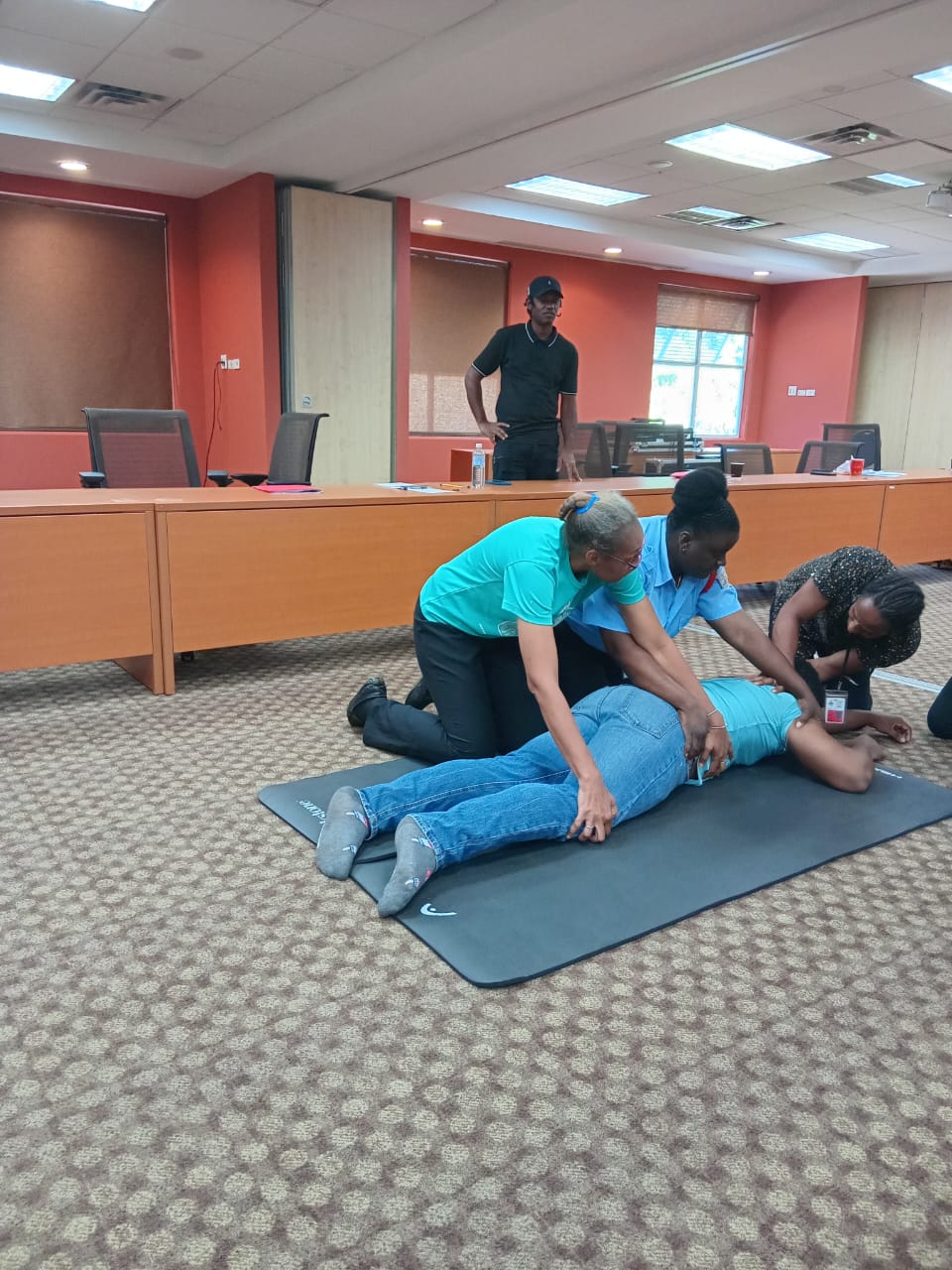
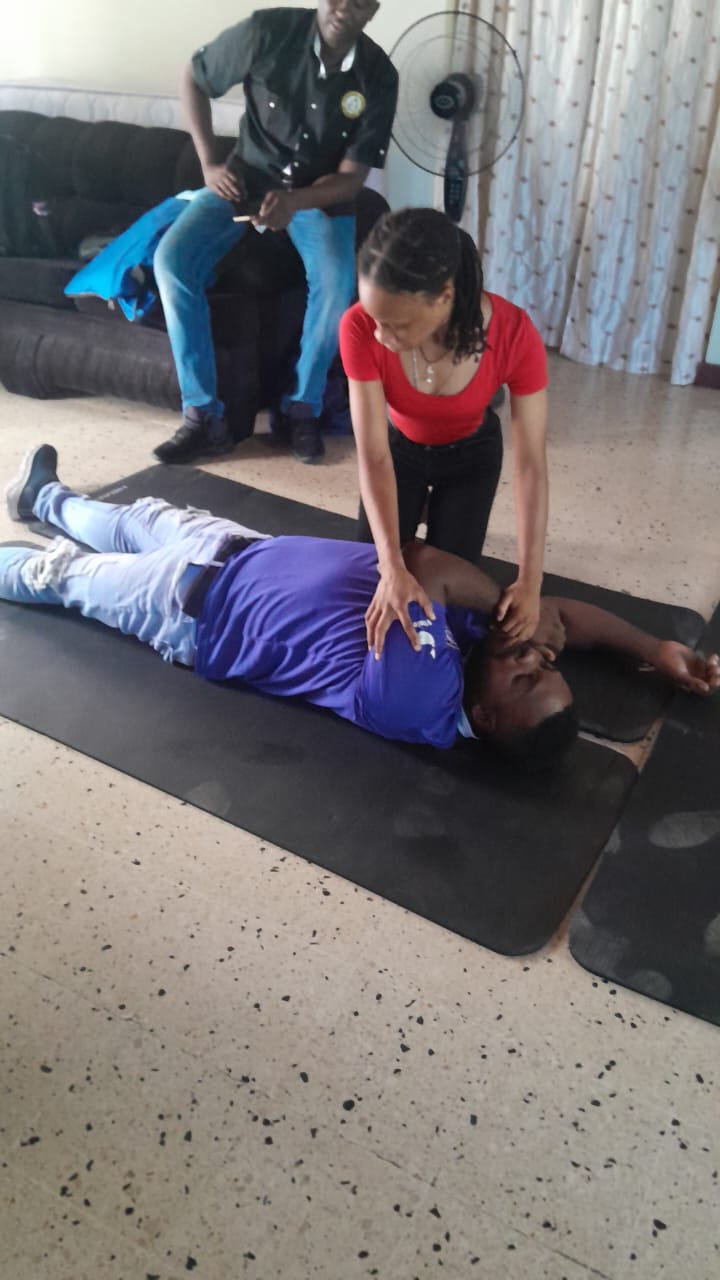
We set up realistic scenes with multiple casualties and distractions. You practise prioritising, delegating and communicating with emergency services while treating people.
Review and refresh
We go over what went well and what to adjust. You get a clear list of what to practise on your own and when to retake the course.
Why Jamaica Rescue Academy for emergency response
Muscle memory
Anyone can read a first aid chart, but under stress your hands remember what they have practised. We make sure every person performs each skill, not just watches a demonstration.
Local context
We train for Jamaica: heat emergencies, snake bites, road accidents on our roads and how to reach the ambulance and hospital services here. No imported scenarios that do not apply.
Team coordination
When you have more than one person trained, you need to know who does what. We practise assigning roles so your team works together instead of everyone crowding the casualty.
Related services
View all servicesWorkplace safetyTraining that helps your team meet health and safety requirements. Covers risk assessment, accident prevention, first aid and emergency procedures. We tailor the content to your workplace, whether it is an office, factory, school or community centre.View detailsOHS, First Aid, CPR, AED TrainingThe Jamaica Rescue Academy (JRA) OHS, First Aid, CPR & AED Program equips participants with knowledge and skills to prevent and respond to workplace emergencies. The program follows 2025 AHA, ILCOR, CDC, OSHA, and Ministry of Labour guidelines using peer-to-peer training.
Training Methodology
:
The Jamaica Rescue Academy Peer-to-Peer Training Model emphasizes:
• Instructor-led lectures
• Demonstrations of emergency techniques
• Peer-to-peer skills practice
• Team-based emergency response drills
• Scenario-based simulations
• Skills competency assessments
• Incident debriefing and performance evaluation
Course Learning ObjectivesView details EMT-Emergency Medical TechnicianThe Emergency Medical Technician (EMT) Programme is a comprehensive and professionally structured training course designed to prepare participants to function effectively as first responders in both emergency medical and traumatic situations. EMTs serve as the vital link between the scene of an emergency and the healthcare system, delivering immediate life-saving care that often determines patient survival and recovery outcomes. EMTs respond to a wide range of emergencies — including cardiac arrest, respiratory failure, diabetic emergencies, shock, hemorrhage, fractures, and other medical or trauma-related incidents. Through systematic assessment and evidence-based interventions, EMTs identify and manage life-threatening conditions affecting airway, breathing, and circulation (the ABCs of life support).View details
Emergency response FAQs
Get in touch about a course
Tell us about your group and what you want to learn. We will get back to you with a course plan and a date that works.